

Microscopic Discectomy: Precision Surgery for Spinal Disc Herniation
Microscopic discectomy is a surgical procedure used to treat spinal disc herniation, a common cause of back and leg pain. This webpage serves as a comprehensive guide to microscopic discectomy, providing valuable information on its indications, surgical technique, benefits, and potential risks.
What is Microscopic Discectomy?
Microscopic discectomy is a minimally invasive surgical technique used to remove herniated disc material that is pressing on the spinal nerves. Unlike traditional open surgery, which involves large incisions and extensive muscle dissection, microscopic discectomy uses specialized microscopes and instruments to access the spine through small incisions. By removing the herniated disc material, microscopic discectomy aims to relieve pain, improve mobility, and promote healing of the affected area.
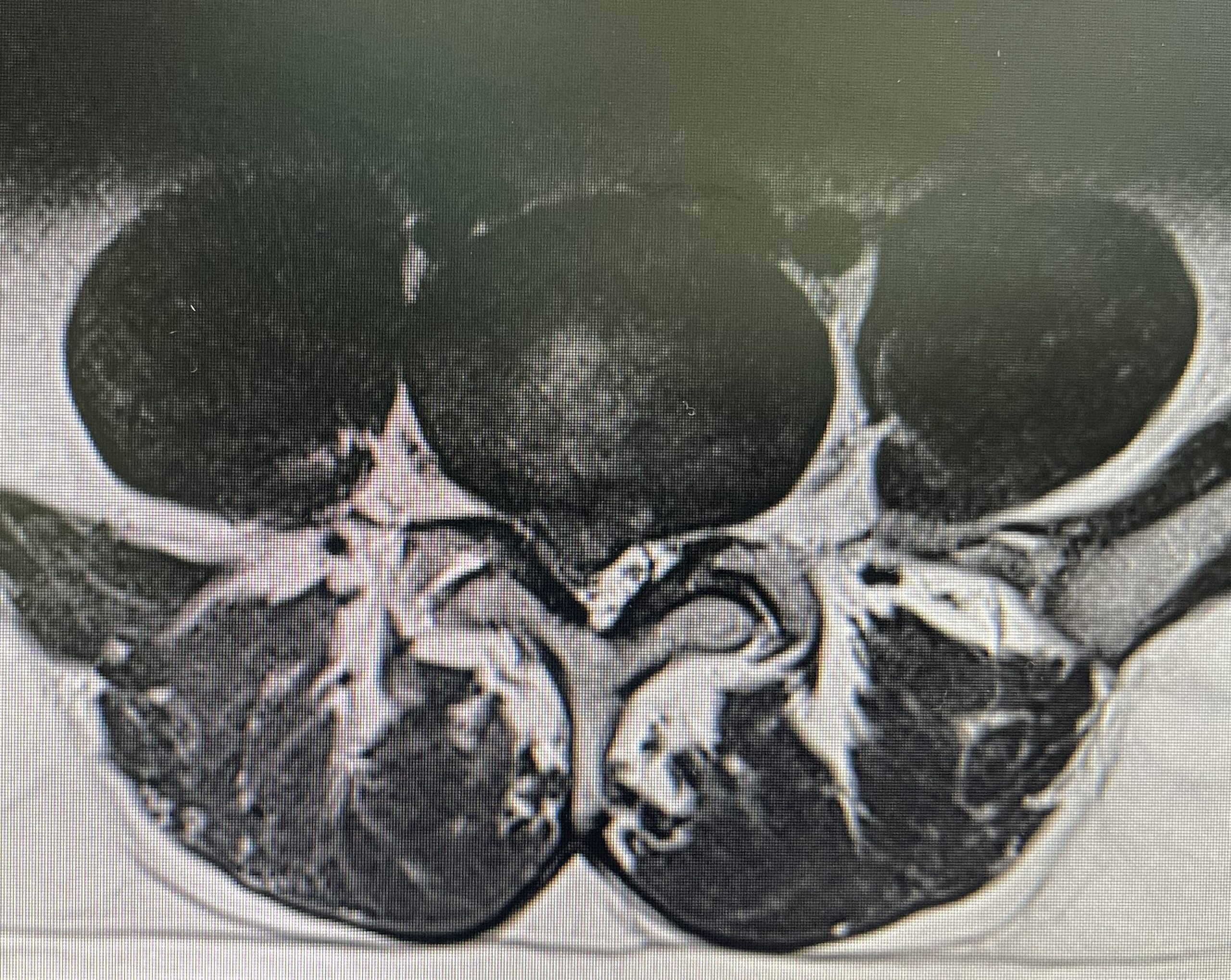
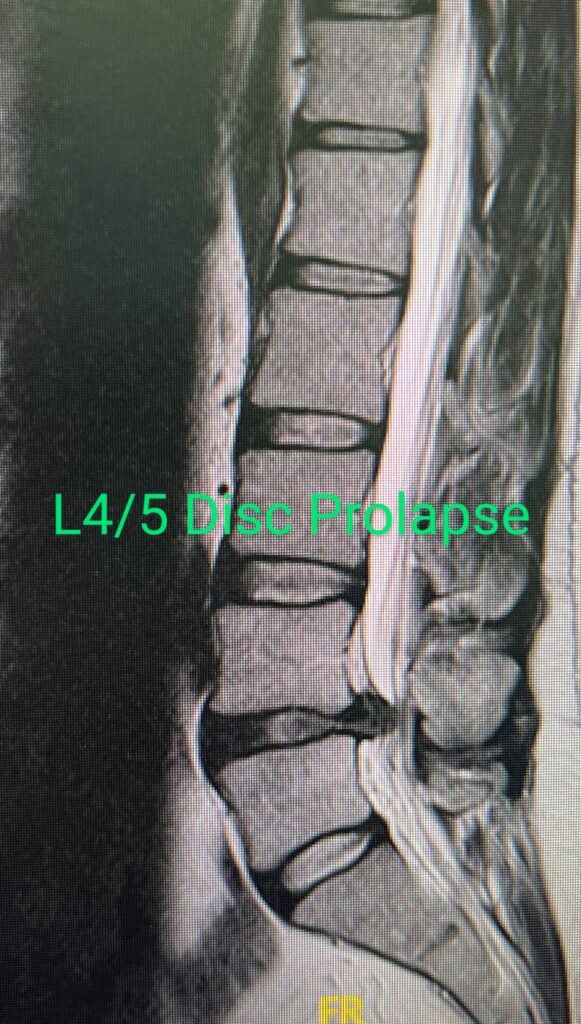
Indications for Microscopic Discectomy:
Microscopic discectomy may be recommended for individuals with:
– Lumbar disc herniation causing back and leg pain
– Radiculopathy (nerve compression) resulting in numbness, tingling, or weakness in the legs
– Disc-related sciatica, where the sciatic nerve is compressed by herniated disc material
– Symptoms that have not responded to conservative treatments such as medication, physical therapy, or epidural injections
Surgical Technique:
Microscopic discectomy is performed under general anesthesia and typically involves the following steps:
1. Patient Positioning: The patient is positioned lying face down on a specialized operating table, allowing access to the spine.
2. Incision: One or more small incisions, typically less than an inch in length, are made in the back or side of the spine.
3. Microscope Placement: A surgical microscope is used to visualize the spine and magnify the surgical field, providing the surgeon with a clear view of the affected disc.
4. Disc Removal: Using specialized instruments, the surgeon carefully removes the herniated disc material that is pressing on the spinal nerves.
5. Nerve Decompression: Any bone spurs or thickened ligaments compressing the nerves are also removed to relieve pressure.
6. Closure: Once the procedure is complete, the incisions are closed with sutures or adhesive strips, and a sterile dressing is applied to the surgical site.
Benefits of Microscopic Discectomy:
Microscopic discectomy offers several advantages over traditional open surgery, including:
– Smaller incisions and reduced tissue damage
– Less postoperative pain and scarring
– Faster recovery times and shorter hospital stays
– Preservation of spinal stability and motion
– Lower risk of complications such as infection and blood loss
Risks and Complications:
While microscopic discectomy is generally safe, it carries some risks, including:
– Nerve injury or irritation
– Infection at the surgical site
– Bleeding or hematoma formation
– Recurrence of disc herniation
– Allergic reactions to anesthesia or surgical materials
Conclusion:
Microscopic discectomy is a highly effective minimally invasive treatment option for spinal disc herniation, offering rapid relief of pain and improved function for many patients. If you are experiencing symptoms of a herniated disc, consult with a spine specialist to determine if microscopic discectomy may be an appropriate treatment option for you. With proper evaluation and surgical care, many individuals can achieve significant improvement in their quality of life and return to their normal activities.
This webpage serves as a comprehensive resource for individuals seeking information about microscopic discectomy, empowering them to make informed decisions about their spine health and treatment options.


