

Chronic back pain is a persistent and often debilitating condition that affects millions of people worldwide. Unlike acute pain, which is temporary and typically resolves within a few weeks, chronic back pain lasts for three months or longer and can significantly impact daily life. Effective management requires a multidisciplinary approach that addresses both the physical and emotional aspects of the condition.
Understanding Chronic Back Pain
Chronic back pain can result from various causes, including:
– Degenerative Conditions: Issues such as osteoarthritis, herniated discs, or spinal stenosis.
– Injuries: Trauma from accidents or repetitive strain.
– Medical Conditions: Conditions like fibromyalgia or scoliosis.
– Psychological Factors: Stress, anxiety, and depression, which can amplify pain perception.
Identifying the underlying cause is crucial for effective treatment. Diagnostic tools such as X-rays, MRIs, or CT scans may be used alongside physical examinations to determine the source of pain.
Approaches to Chronic Back Pain Management
1. Non-Surgical Treatments
Lifestyle Modifications
– Exercise: Low-impact activities like swimming, yoga, and walking can strengthen back muscles and improve flexibility.
– Ergonomics: Ensuring proper posture and workstation setup to minimize strain.
– Weight Management: Maintaining a healthy weight to reduce stress on the spine.
Physical Therapy
A licensed physical therapist can develop a personalized exercise program to improve mobility, strength, and posture.
Medications
– Over-the-counter pain relievers, such as acetaminophen or NSAIDs.
– Prescription medications, including muscle relaxants, nerve pain medications, or in some cases, opioids (used cautiously).
– Topical treatments like creams or patches.
Complementary Therapies
– Acupuncture: Can provide relief by stimulating specific points in the body.
– Chiropractic Care: Spinal manipulation to improve alignment and reduce pain.
– Massage Therapy: Eases muscle tension and improves circulation.
2. Interventional Procedures
For individuals who do not respond to conservative treatments, the following options may be considered:
– Epidural Steroid Injections: Reduce inflammation around the spinal nerves.
– Nerve Blocks: Target specific nerves to interrupt pain signals.
– Radiofrequency Ablation: Uses heat to disrupt nerve function and reduce pain.
3. Surgical Interventions
Surgery is typically a last resort, reserved for severe cases where other treatments have failed. Common procedures include:
– Discectomy: Removal of herniated disc material pressing on a nerve.
– Spinal Fusion: Joining two or more vertebrae to stabilize the spine.
– Laminectomy: Removal of part of the vertebra to relieve pressure on the spinal cord.
Psychological and Emotional Support
Chronic back pain can take a toll on mental health. Integrating psychological support into treatment is essential:
– Cognitive Behavioral Therapy (CBT): Helps patients manage pain by addressing negative thought patterns.
– Mindfulness and Meditation: Techniques to reduce stress and improve coping strategies.
– Support Groups: Connecting with others facing similar challenges.
Self-Care Tips for Managing Chronic Back Pain
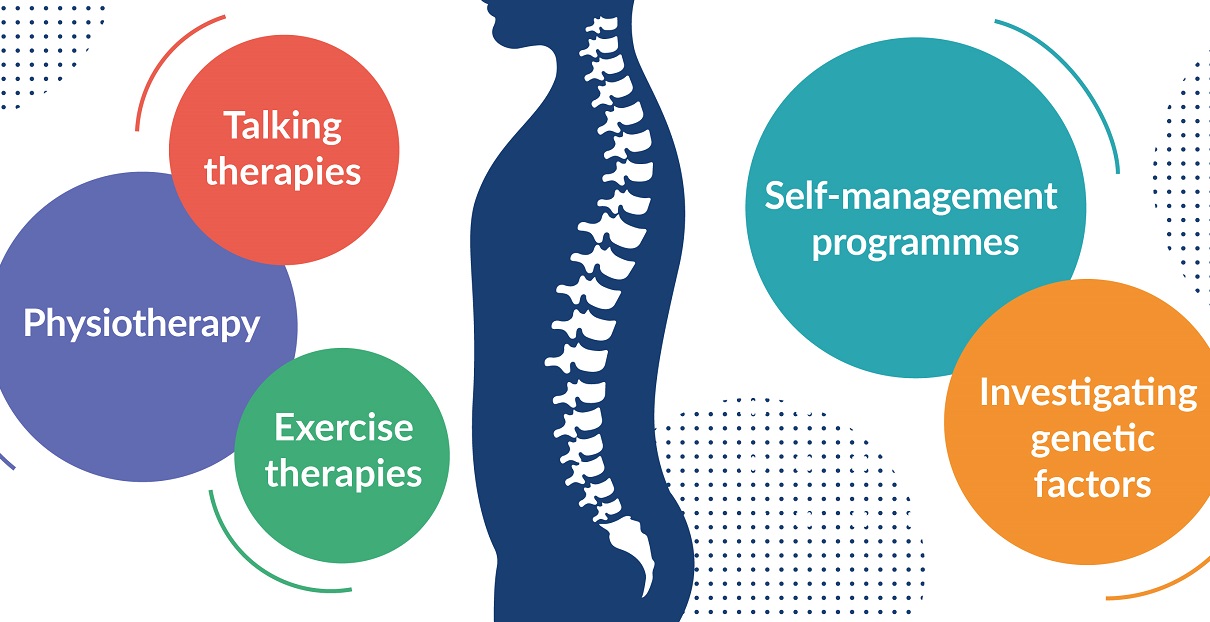
1. Stay Active: Avoid prolonged bed rest, as it can worsen stiffness and pain.
2. Use Heat or Ice: Heat can relax muscles, while ice can reduce inflammation.
3. Maintain Good Posture: Stand and sit with your spine aligned.
4. Practice Relaxation Techniques: Deep breathing or gentle stretches can ease tension.
5. Monitor Pain Levels: Keep a journal to track triggers and effective remedies.
When to Seek Professional Help
Consult a healthcare provider if:
– The pain is severe or worsening.
– It interferes with daily activities or sleep.
– Accompanied by other symptoms, such as numbness, weakness, or loss of bladder control.
Conclusion:
Chronic back pain management is a journey that requires patience and persistence. By combining medical treatments, lifestyle changes, and psychological support, many individuals can achieve significant pain relief and improved quality of life. Consult with a healthcare professional to develop a personalized treatment plan that suits your unique needs.
Frequently Asked Questions
Can chronic back pain be cured?
While not all cases can be fully cured, effective management can significantly reduce pain and improve quality of life.
How long does it take to see improvement?
Depending on the treatment plan, many patients notice improvements within weeks to months.
Do I need surgery for chronic back pain?
Surgery is usually considered only after conservative treatments have been tried and are unsuccessful.
For more information or to schedule a consultation, contact us today.


