
Anterior Cervical Discectomy and Fusion (ACDF): A Comprehensive Guide to Spinal Surgery
Anterior Cervical Discectomy and Fusion (ACDF) is a surgical procedure used to treat conditions such as cervical disc herniation, spinal stenosis, and degenerative disc disease in the cervical spine (neck region). The procedure involves removing a damaged or herniated disc from the neck and fusing the adjacent vertebrae together. This is done to alleviate pressure on the spinal cord or nerve roots that may be causing neck pain, arm pain, weakness, or numbness.
A = ANTERIOR { This indicates that the front of the neck is used during the procedure rather than the back. }
C = CERVICAL { The neck is meant by this. }
D = Decompression or disectomy { A discectomy, or removal of the intervertebral disc, is typically carried out. To properly straighten the spine and relieve pressure on the nerves, it is frequently necessary to remove somenear by bone as well (when this is done, “decompression” is a more accurate phrase)}.
F = Fusion { In order to provide stability, this refers to the connecting of two or more neck bones together at the conclusion of the procedure. }
This webpage serves as a comprehensive guide to ACDF, providing valuable information on its indications, surgical technique, benefits, and potential risks.
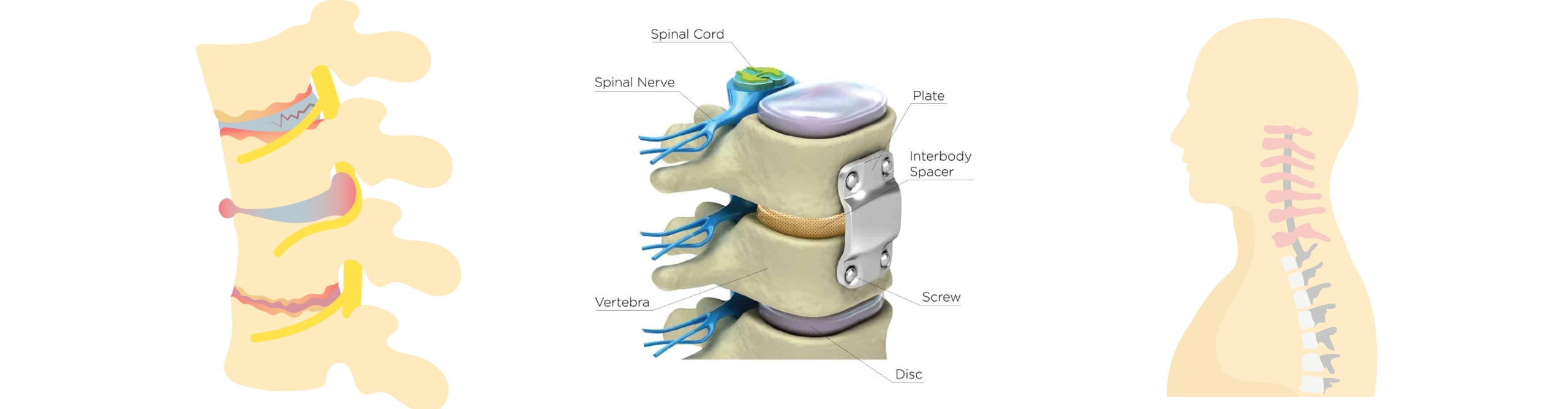
During the procedure, the affected disc or discs are removed from the front of the neck (anterior approach), and a bone graft and possibly a metal plate or cage are inserted to stabilize the spine and promote fusion between the adjacent vertebrae. ACDF may be performed at one or more levels of the cervical spine, depending on the location and severity of the spinal condition.
What exactly is wrong with my Neck?
Cervical myelopathy is a condition that affects the spinal cord in the neck region of the backbone. It is caused by the compression of the spinal cord due to narrowing or pressure in the cervical spine. Symptoms of cervical myelopathy may include pain or stiffness in the neck, difficulty with fine motor skills, such as buttoning a shirt or grasping small objects, loss of balance, and trouble walking An MRI scan is the preferred diagnostic method for cervical myelopathy, but other methods can also be used to help rule out other conditions.
What are Discs and Osteophytes? How do they cause problems with my Neck?
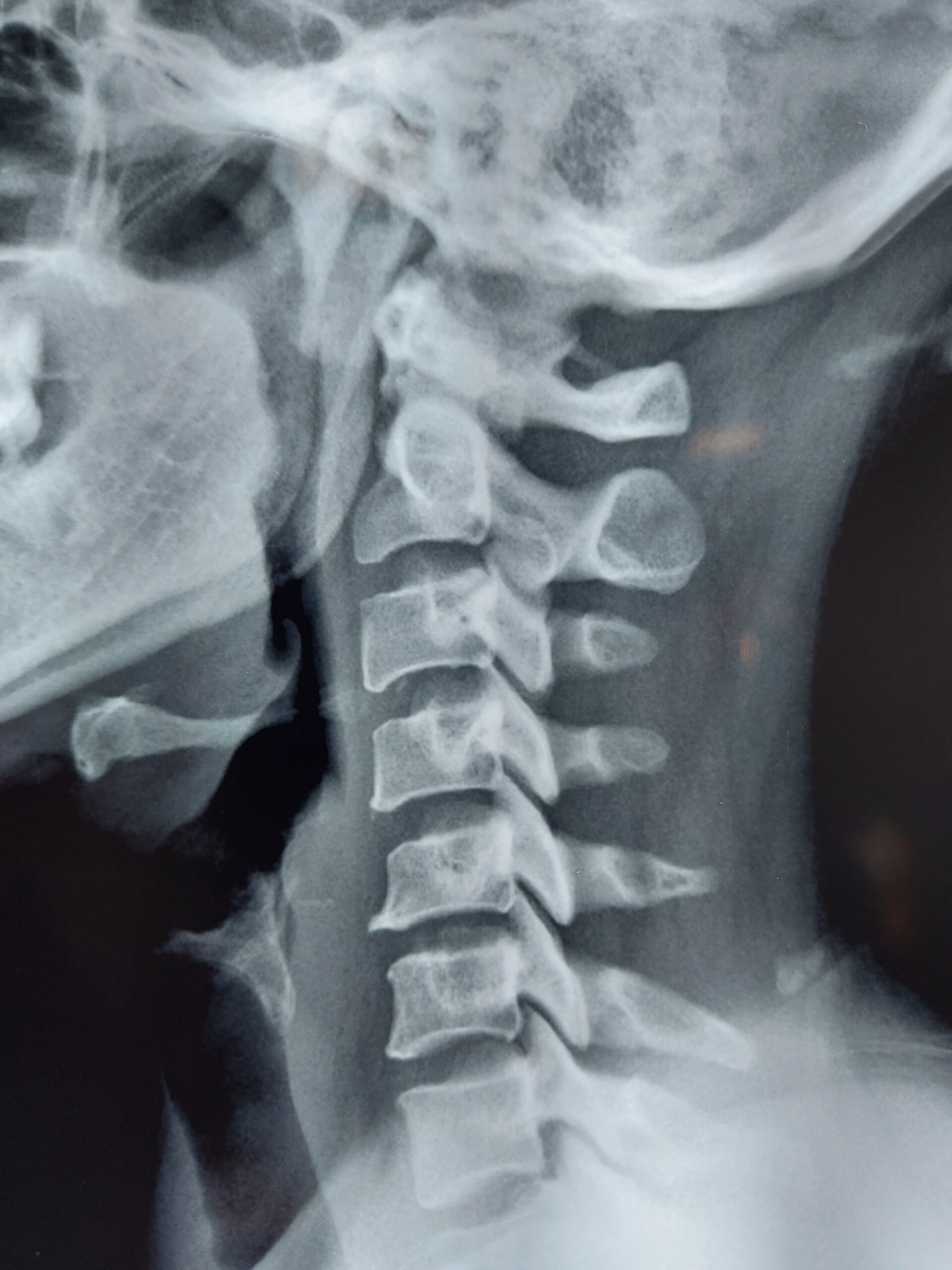
Spinal discs are small, spongy cushions that sit between the vertebrae in the spine, acting as shock absorbers for the spine. As people age, the spinal discs can begin to dehydrate and shrink, leading to a condition called cervical spondylosis [1]. In this condition, the spinal discs in the neck region wear out, causing the bones to develop bony projections, also known as osteophytes or bone spurs. These osteophytes can grow on any of the seven vertebrae in the cervical spine, from the base of the skull to the base of the neck, and can cause neck pain, stiffness, and may sometimes lead to neurological symptoms affecting the spinal nerves, the spinal cord, the vertebral discs, or the blood vessels in the region of the cervical vertebral column. Degenerative disc disease is another age-related condition affecting the spinal discs, causing neck pain or stiffness, and it is most common in older adults [2].
What are the alternatives to an anterior cervical Discectomy and Fusion (ACDF).
According to the sources provided, there are several alternatives to Anterior cervical discectomy and fusion (ACDF). These include:
1. Exercise therapy and physical therapy: Not everyone with damaged discs experiences pain, and most people do not need surgery. Exercise therapy and physical therapy may help alleviate pain and improve mobility.
2. Artificial Disc Replacement (ADR): This is a surgical alternative to ACDF. ADR replaces the diseased disc with an artificial one, which can help maintain normal neck motion.
3. Activity modification: Sometimes simply modifying your workplace and recreational activities, to avoid heavy lifting and repetitive neck or arm movements, allows the healing process to occur more quickly.
4. Other surgical approaches: These include foraminotomy, posterior cervical decompression (laminectomy) with or without fusion, and an artificial disc replacement (also known as disc arthroplasty). You should discuss these alternatives, together with their potential risks and benefits, with your neurosurgeon.
It is important to note that the effectiveness of these alternatives may vary depending on the individual case, and a consultation with a medical professional is recommended to determine the best course of treatment.
5. Cervical epidural injections: Cervical epidural injections are a non-surgical treatment option for neck pain, cervical radiculopathy, and cervical spinal stenosis. They involve injecting a local anesthetic and a steroid medication into the epidural space surrounding the spinal cord in the neck region. The medication then spreads to the nerves and the inflamed tissues around the spinal cord, reducing inflammation and pain.
Cervical epidural injections can provide relief for several weeks to several months. They are usually administered under fluoroscopic guidance, which involves using X-ray imaging to ensure accurate needle placement in the epidural space. The procedure is typically performed on an outpatient basis and takes about 15-30 minutes.
Like any medical procedure, cervical epidural injections carry some risks, such as infection, bleeding, nerve damage, and allergic reactions to the medication used. Therefore, it is essential to discuss the benefits and risks of the procedure with a qualified medical professional before undergoing it.
Overall, cervical epidural injections can be an effective option for managing neck pain, but their efficacy may vary depending on the individual case. Therefore, a consultation with a medical professional is recommended to determine the best course of treatment for any cervical spine condition.
What are the Indications for Anterior Cervical Discectomy and Fusion (ACDF):
ACDF may be recommended for individuals with:
– Cervical disc herniation causing nerve root compression and symptoms such as neck pain, arm pain, weakness, numbness, or tingling
– Cervical spinal stenosis, a condition characterized by narrowing of the spinal canal, leading to compression of the spinal cord and nerves
– Cervical spondylosis (degenerative disc disease) resulting in bony overgrowth, disc degeneration, and spinal cord or nerve compression
– Cervical spine fractures or instability requiring stabilization and fusion
What exactly happens in the surgery?
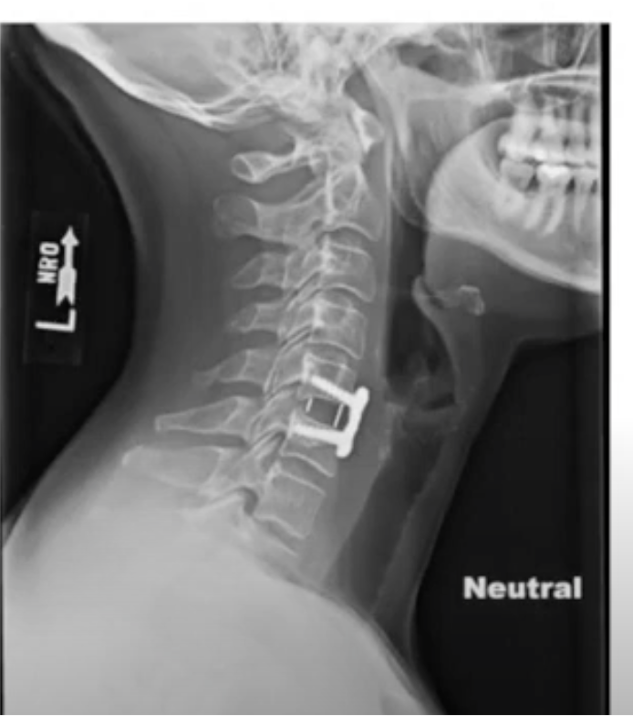
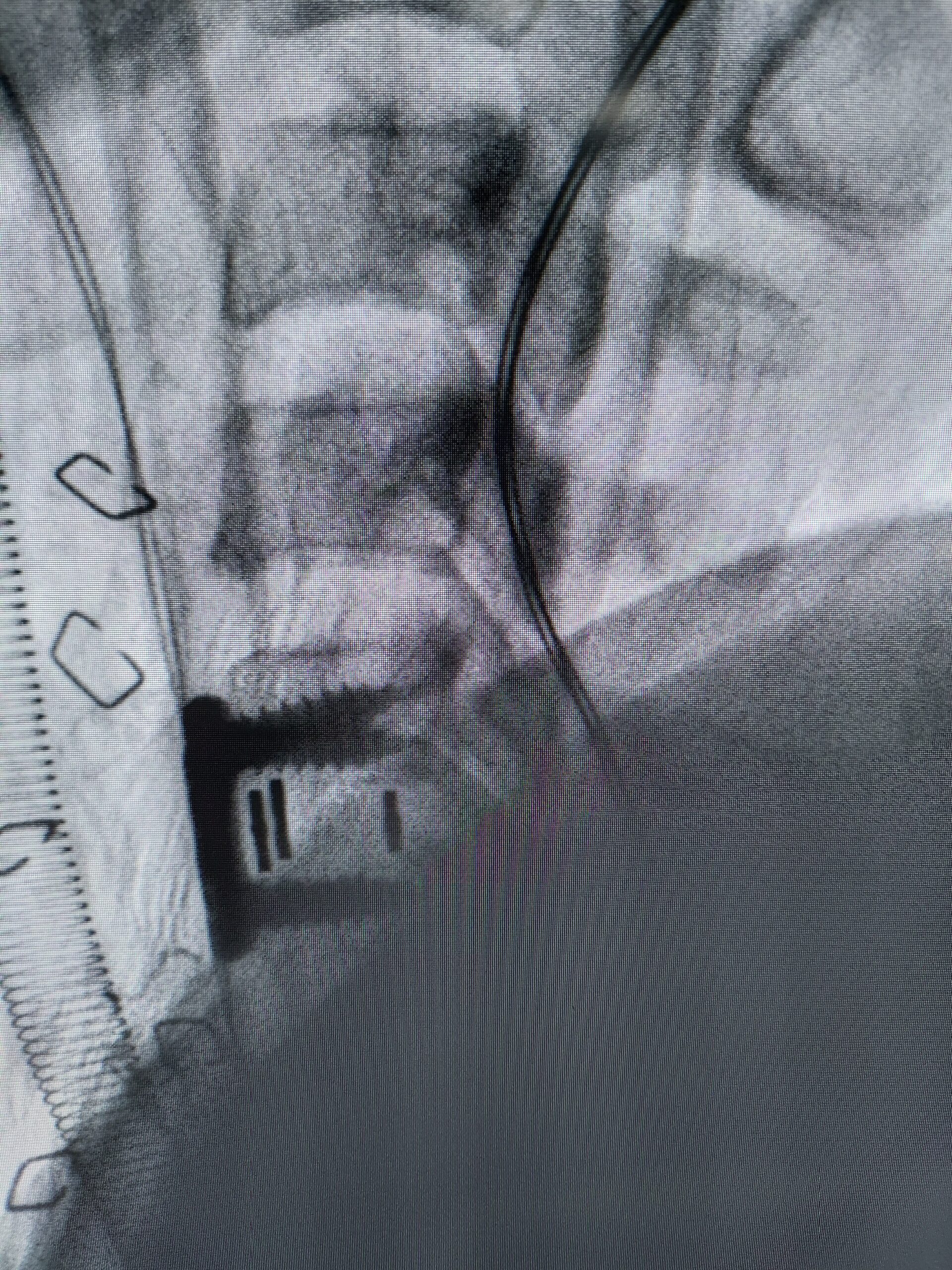
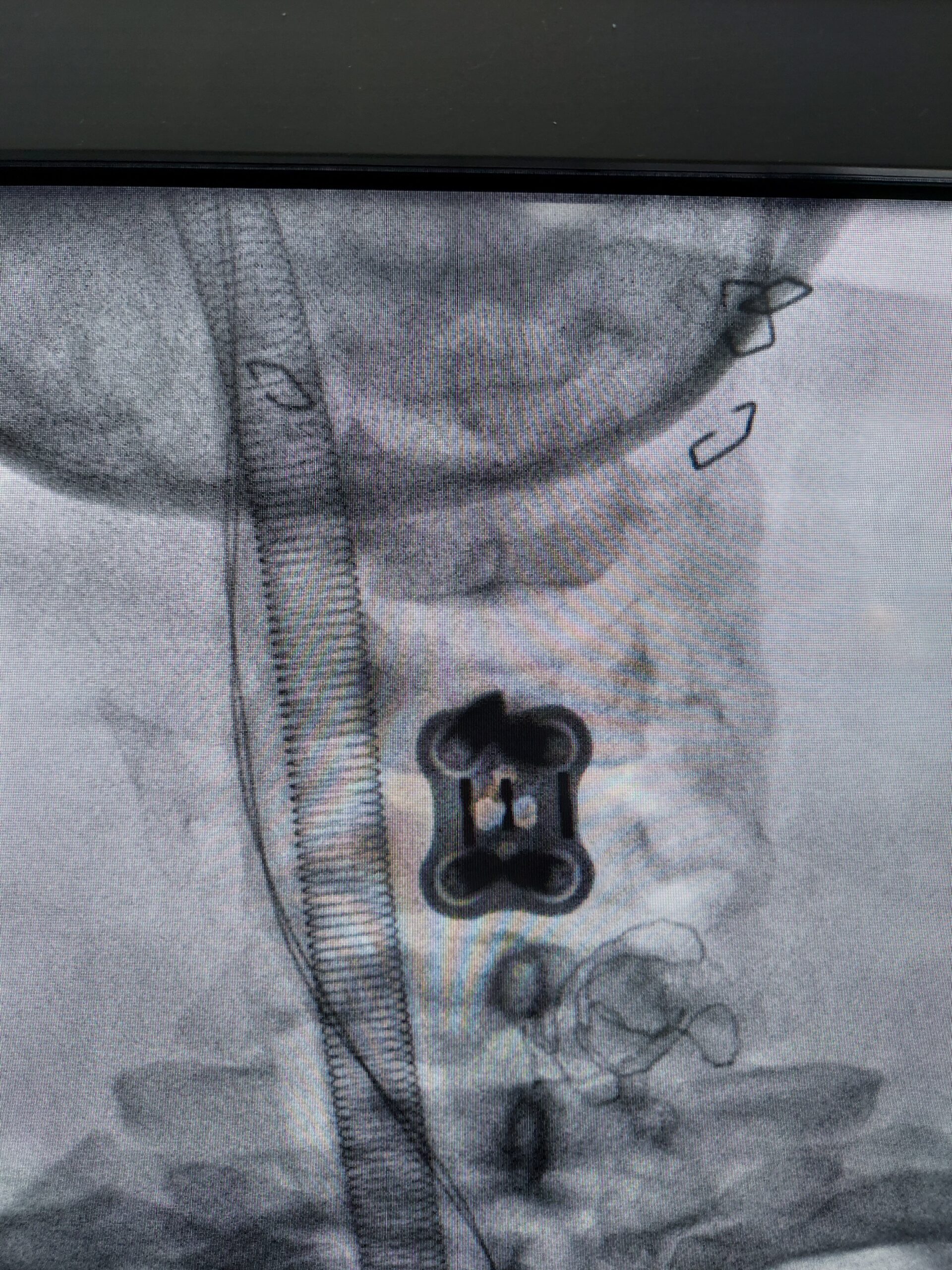
Anterior Cervical Discectomy and Fusion (ACDF) is performed under general anesthesia and typically involves the following steps:
1. Patient Positioning: The patient is positioned lying face up on a specialized operating table, allowing access to the cervical spine from the front of the neck.
2. Incision: A small incision is made in the front of the neck, usually along a natural skin crease, to access the affected disc or discs.
3. Discectomy: The surgeon carefully removes the damaged disc or discs, along with any bone spurs or soft tissue causing compression of the spinal cord or nerves.
4. Bone Graft Placement: A bone graft, often taken from the patient’s own hip bone or a bone bank, is inserted into the empty disc space to promote fusion between the adjacent vertebrae.
5. Hardware Placement: Metal plates, screws, or cages may be used to stabilize the spine and facilitate fusion.
6. Closure: Once the procedure is complete, the incision is closed with sutures or adhesive strips, and a sterile dressing is applied to the surgical site.
What are the benefits of Anterior Cervical Discectomy and Fusion (ACDF):
ACDF offers several potential benefits, including:
– Alleviation of symptoms such as neck pain, arm pain, weakness, numbness, or tingling
– Improvement in mobility and function
– Prevention of further neurological deficits or complications associated with spinal cord or nerve compression
– Restoration of spinal stability and alignment
– Potential for long-term relief of symptoms and improvement in quality of life
What are the risks and Complications:
While Anterior Cervical Discectomy and Fusion (ACDF) is generally safe, it carries some risks, including:
– Infection at the surgical site
– Bleeding or hematoma formation
– Nerve injury or paralysis
– Hardware failure or migration
– Failure of fusion (pseudoarthrosis)
– Persistent or recurrent symptoms
– Complications related to anesthesia or medical conditions
Conclusion:
Anterior Cervical Discectomy and Fusion (ACDF) is a highly effective surgical procedure for relieving symptoms caused by spinal cord or nerve compression in the cervical spine. If you are experiencing symptoms such as neck pain, arm pain, weakness, numbness, or tingling, consult with a spine specialist to determine if ACDF may be an appropriate treatment option for you. With proper evaluation and surgical care, many individuals can achieve significant improvement in their quality of life and return to their normal activities.
This webpage serves as a comprehensive resource for individuals seeking information about Anterior Cervical Discectomy and Fusion (ACDF), empowering them to make informed decisions about their spine health and treatment options.


