Overview
Minimally Invasive Spine Surgery (MISS) is a modern surgical approach designed to treat spinal disorders with minimal disruption to surrounding muscles and tissues. Unlike traditional open spine surgery, which requires large incisions and significant muscle retraction, MISS uses small incisions, specialized instruments, and advanced imaging techniques such as fluoroscopy and endoscopy to precisely access and treat the affected area. This results in reduced blood loss, lower risk of infections, less postoperative pain, and a quicker recovery time, allowing patients to return to their daily activities sooner. MISS is commonly used for conditions like herniated discs, spinal stenosis, degenerative disc disease, and spinal fractures. Advanced technologies, including robotic-assisted surgery and real-time intraoperative navigation, further enhance precision and safety. By preserving the spine’s natural structure and reducing trauma, MISS offers a safer, more effective alternative to traditional spine surgery, improving patient outcomes and overall quality of life.
Techniques and Tools
Typically, incisions are less than an inch long, compared to several inches in traditional surgery.
A thin, flexible tube with a camera (endoscope) is inserted through small incisions to provide real-time images of the surgical site.
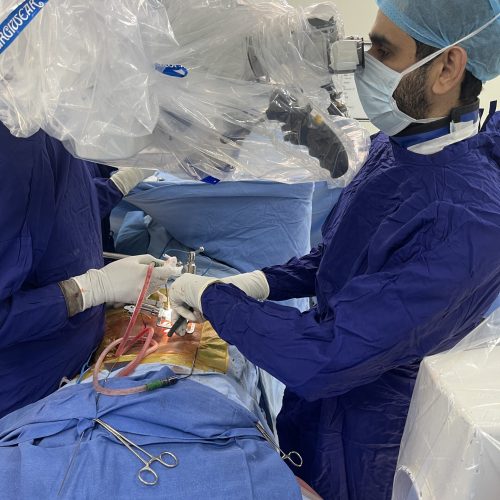
High-powered microscopes are used to enhance the surgeon’s view of the intricate structures of the spine.
Real-time 3D X-ray guidance helps surgeons navigate and place instruments accurately.
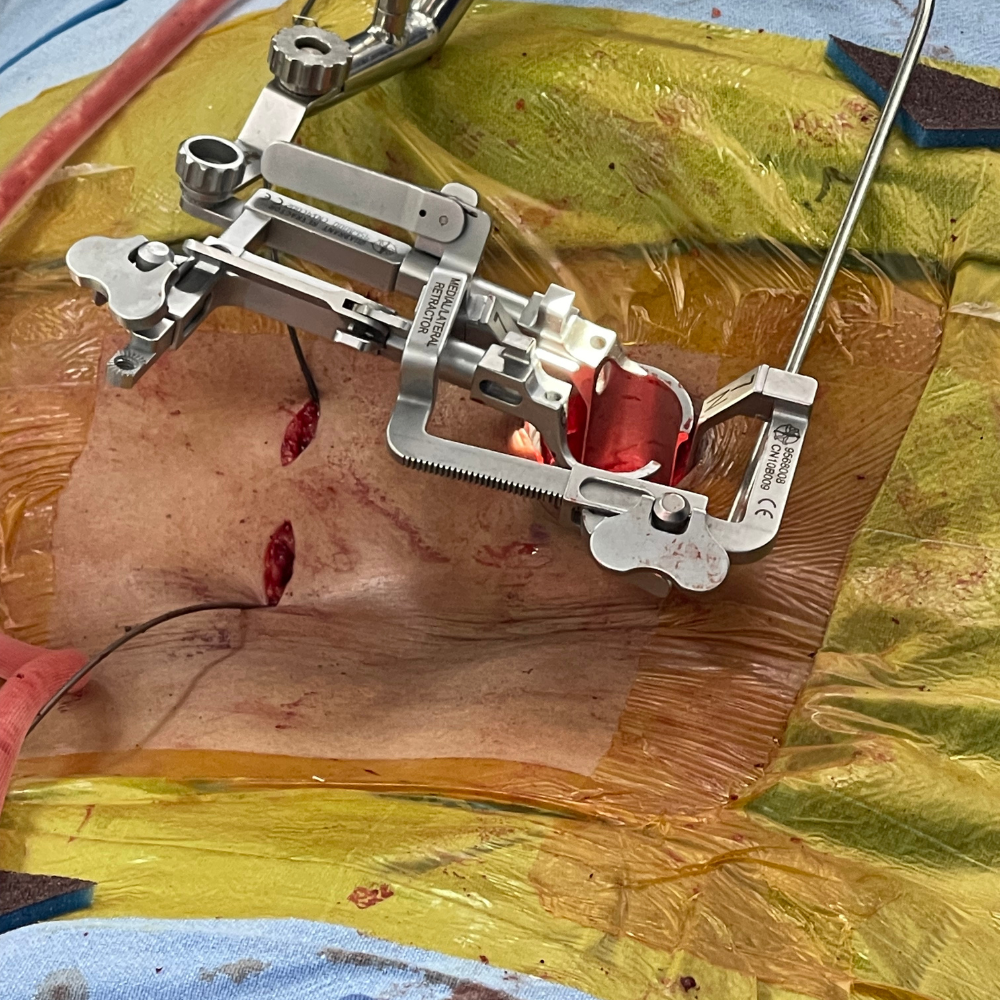
Tools designed for minimal disruption, such as tubular retractors, allow surgeons to create a pathway to the spine without extensive muscle dissection.
Robotic systems provide enhanced precision and control, allowing for more accurate placement of screws and other hardware.
Common Procedures

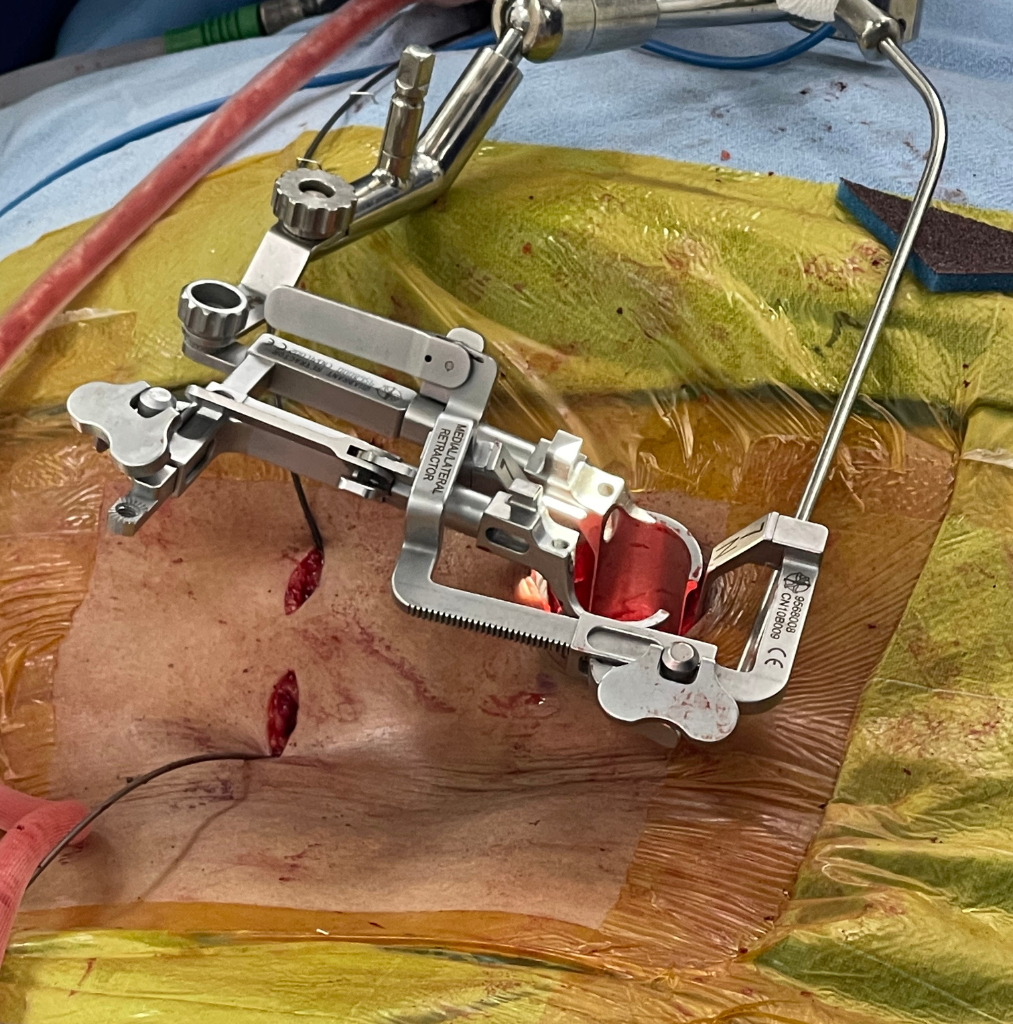
Discectomy
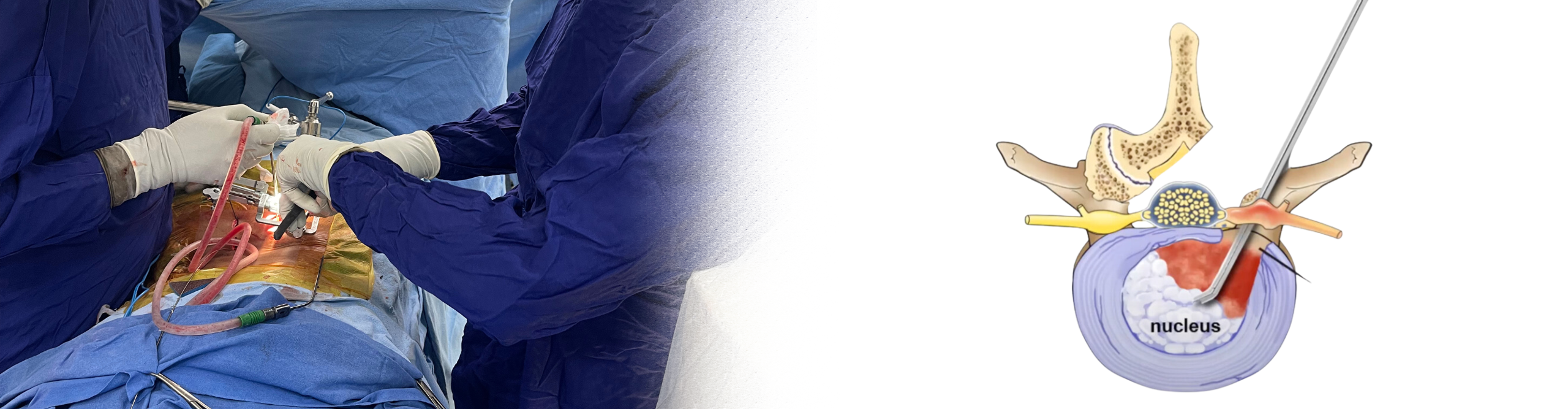
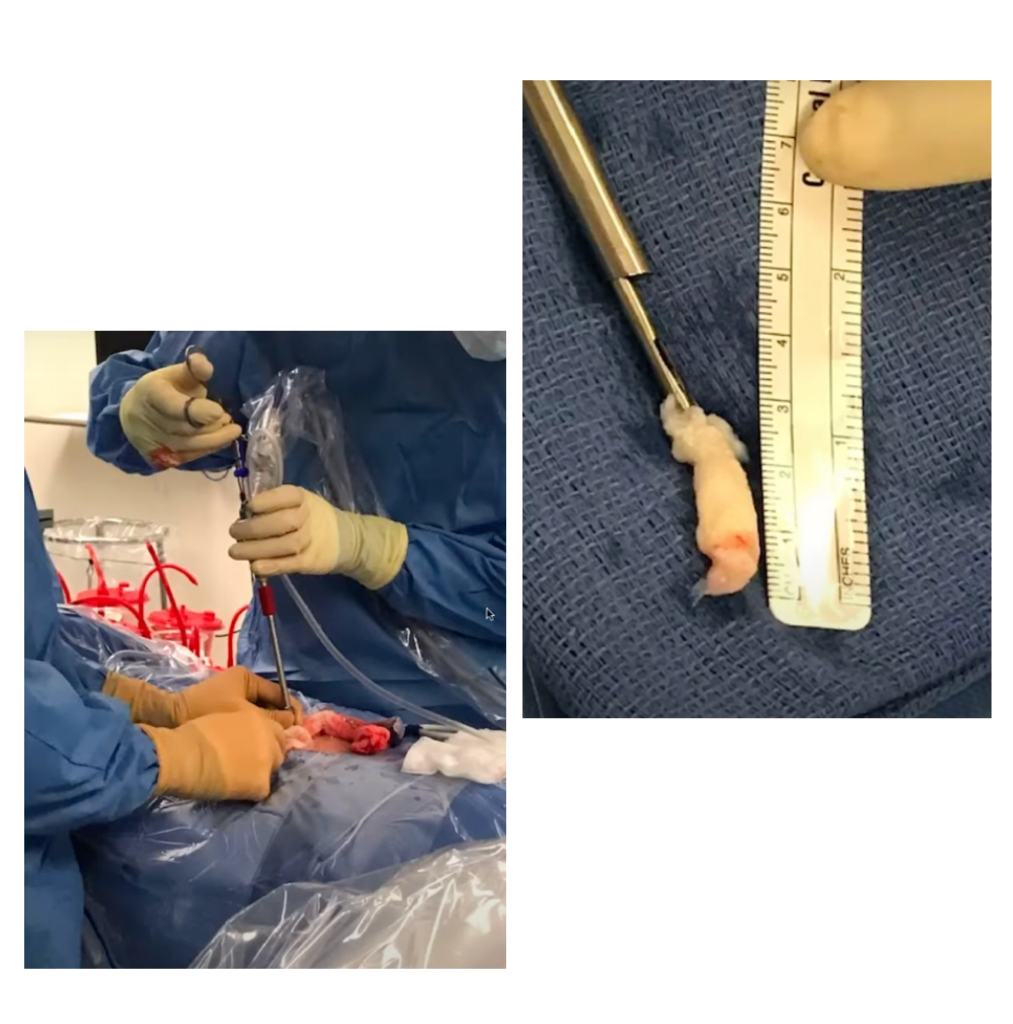
Removal of herniated disc material that is pressing on a nerve, performed through small incisions using endoscopic or microscopic techniques.
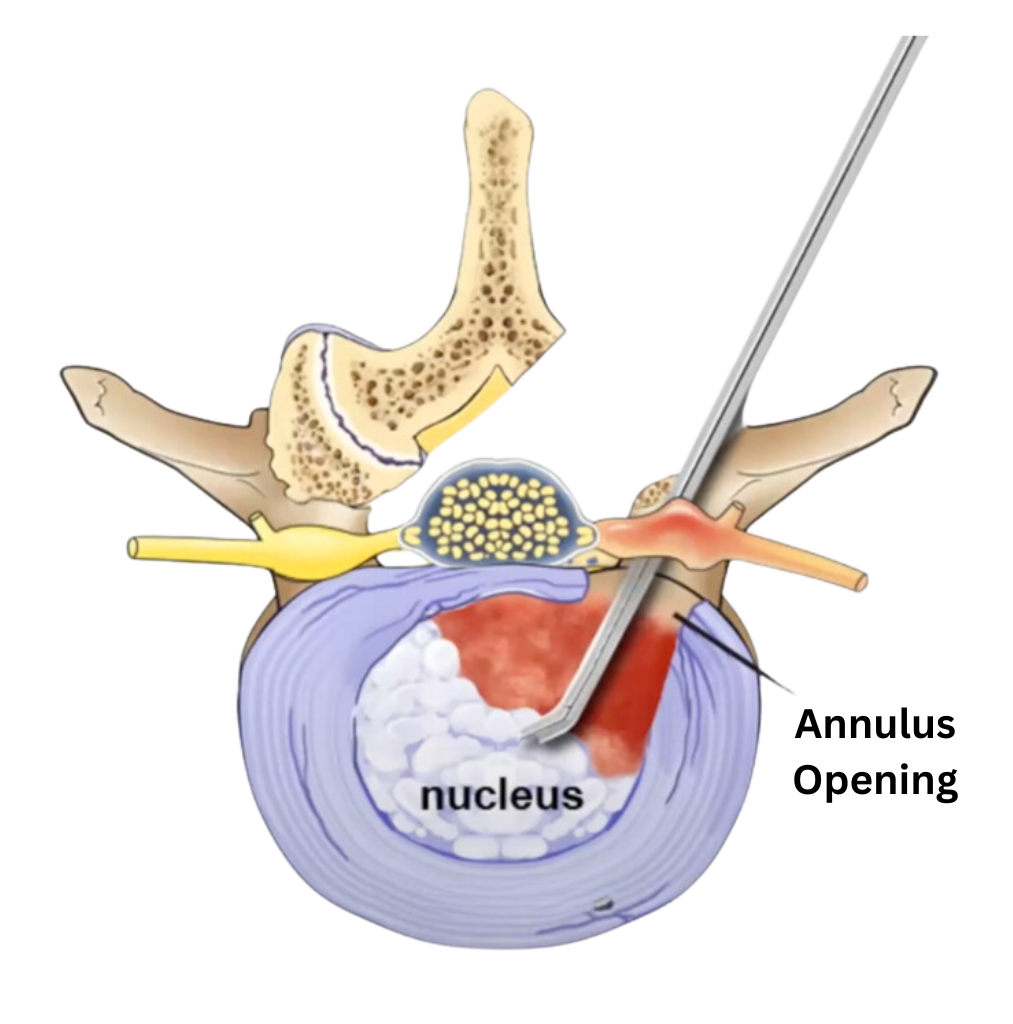
Spinal Fusion
Joining two or more vertebrae together using bone grafts and hardware, often performed using minimally invasive techniques to reduce muscle damage.
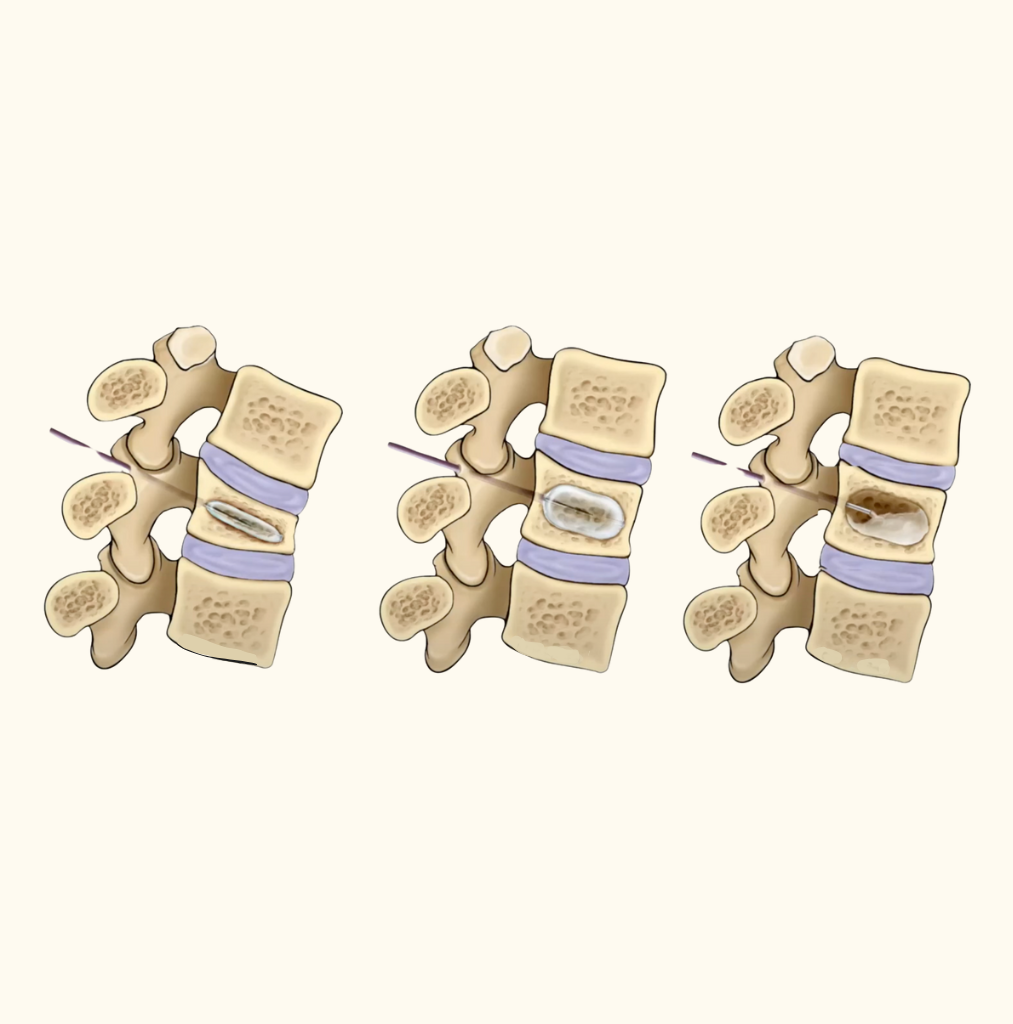
Decompression
Removal of a portion of the vertebra (lamina) to relieve pressure on the spinal cord or nerves, done with minimal tissue disruption.
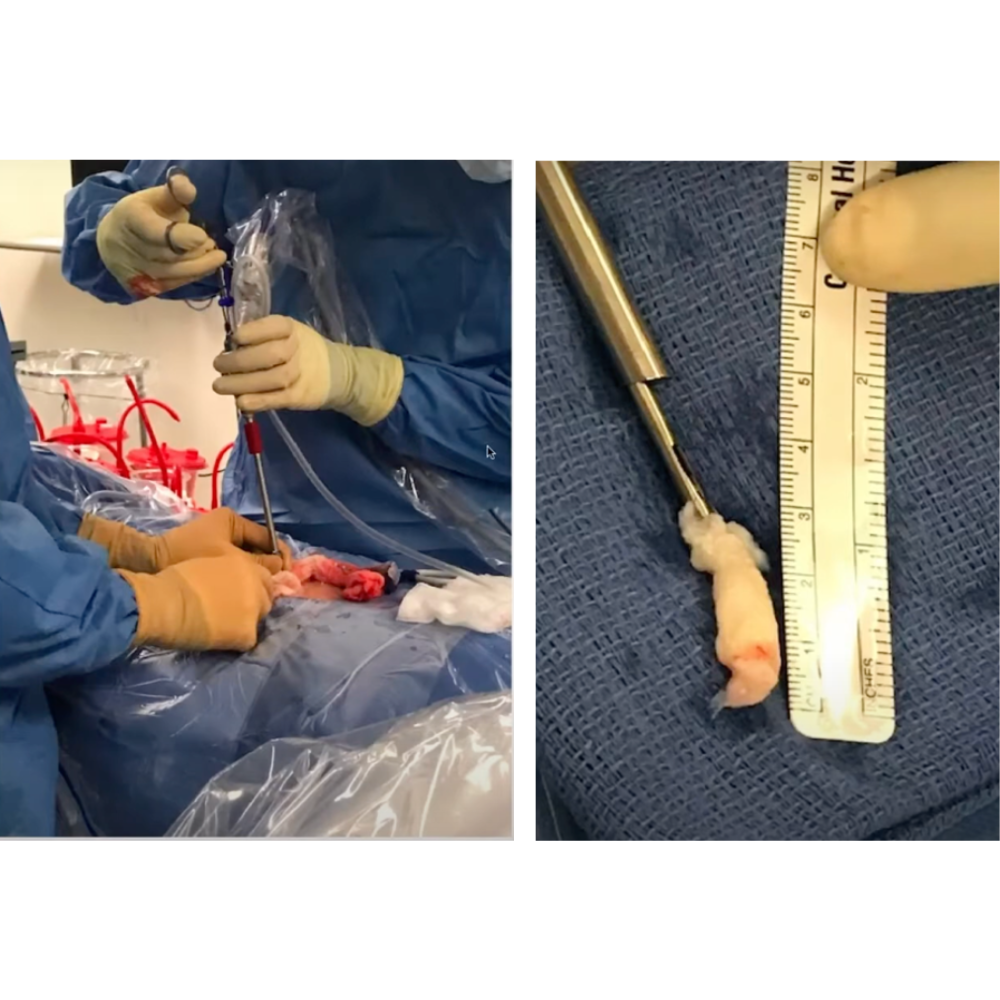
Kyphoplasty
Stabilization of vertebral compression fractures using cement injection, often guided by fluoroscopy.
Advantages
Reduced Tissue Damage:
Smaller incisions and less muscle dissection result in less damage to surrounding tissues.
Less Pain
Patients typically experience less postoperative pain due to reduced tissue trauma.
Faster Recovery
Shorter hospital stays and quicker return to daily activities compared to traditional open surgery.
Lower Infection Risk
Smaller incisions reduce the risk of infection.
Minimal Scarring
Smaller incisions result in less noticeable scarring.
Reduced Blood Loss
Minimal disruption of tissues leads to less intraoperative blood loss.
Indications
Minimally Invasive Spine Surgery can be used to treat a variety of spinal conditions, including:
– Herniated discs
– Spinal stenosis
– Degenerative disc disease
– Scoliosis
– Spinal tumors
– Compression fractures
Patient Selection
Not all patients are candidates for MISS. Ideal candidates typically have conditions that can be addressed through the smaller operative windows that MISS provides. Factors considered include:
– Specific spinal condition and its severity
– Overall health and medical history
– Previous spine surgeries
Postoperative Care
Pain Management
Less pain medication is usually needed compared to traditional surgery.
Physical Therapy
Early mobilization and physical therapy are often encouraged to speed up recovery.
Follow-Up
Regular follow-up visits to monitor healing and progress.
Conclusion
Minimally Invasive Spine Surgery offers a modern, effective approach to treating a wide range of spinal disorders with numerous benefits over traditional open surgery. By minimizing tissue damage, patients experience less pain, faster recovery, and fewer complications, making it an increasingly preferred option for spine surgery.
This webpage serves as a comprehensive resource for individuals seeking information about MIS spine surgery, empowering them to make informed decisions about their spine health and treatment options.