
Minimally Invasive Transforaminal Lumbar Interbody Fusion (MIS TLIF): A Comprehensive Guide
Minimally Invasive Transforaminal Lumbar Interbody Fusion (MIS TLIF) is a surgical procedure used to treat various spinal conditions, including degenerative disc disease, spondylolisthesis, and spinal instability. This webpage serves as a comprehensive guide to MIS TLIF, providing valuable information on its indications, surgical technique, benefits, and potential risks.
What is MIS TLIF?
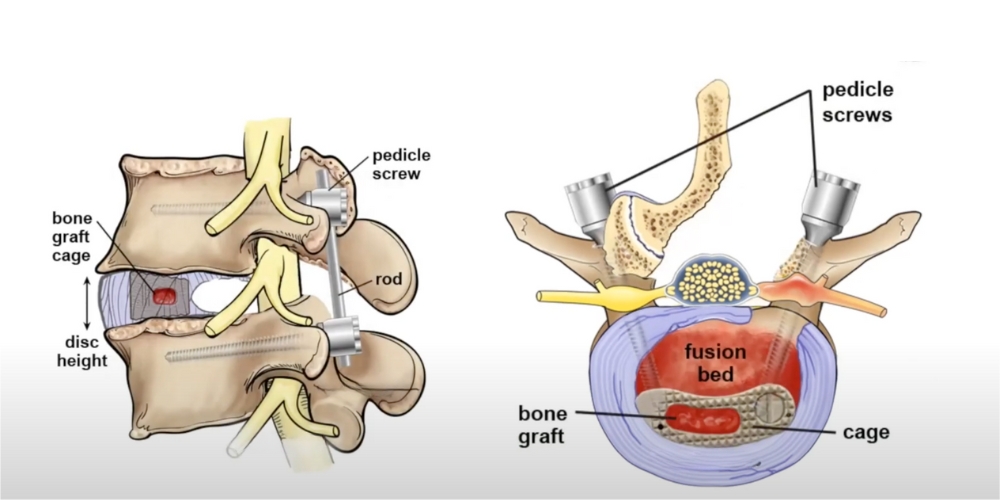
MIS TLIF is a minimally invasive surgical technique used to stabilize the lumbar spine by fusing two or more vertebrae together. The procedure involves accessing the spine through small incisions in the back, avoiding extensive muscle dissection and tissue damage. By removing damaged disc tissue and inserting bone graft material and implants into the intervertebral space, MIS TLIF aims to restore spinal stability, alleviate pain, and promote fusion of the affected vertebrae.
Indications for MIS TLIF:
MIS TLIF may be recommended for individuals with:
– Degenerative disc disease causing instability or nerve compression
– Lumbar spinal stenosis resulting in spinal canal narrowing and neurogenic claudication
– Spondylolisthesis, a condition where one vertebra slips forward relative to the one below it
– Recurrent disc herniation after previous discectomy surgery
– Spinal deformities such as scoliosis or kyphosis requiring fusion for stabilization
Surgical Technique:
MIS TLIF is performed under general anesthesia and typically involves the following steps:
1. Patient Positioning: The patient is positioned face down on a specialized operating table, allowing access to the lumbar spine.
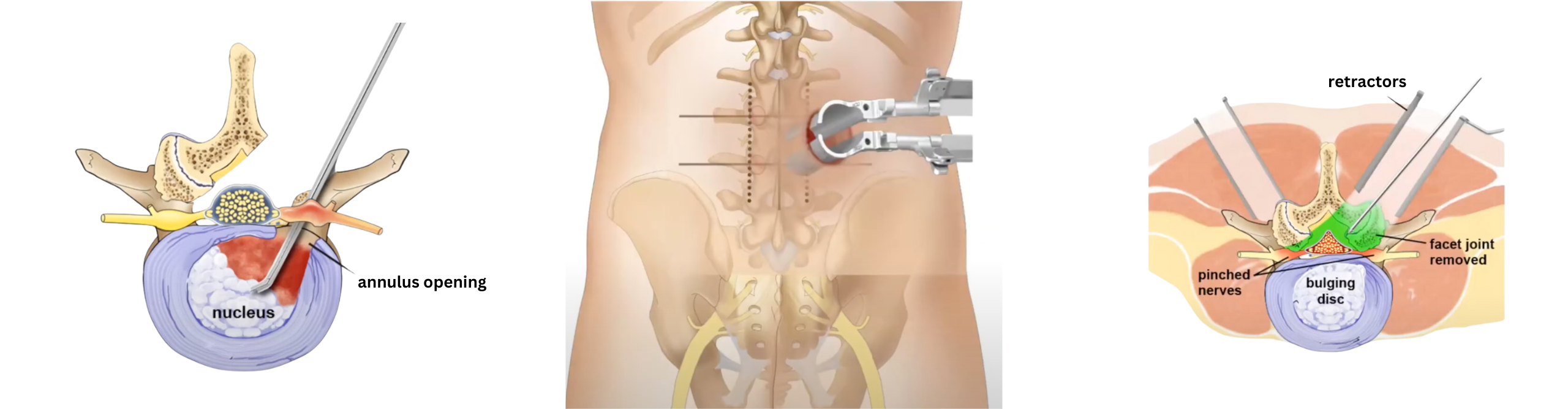
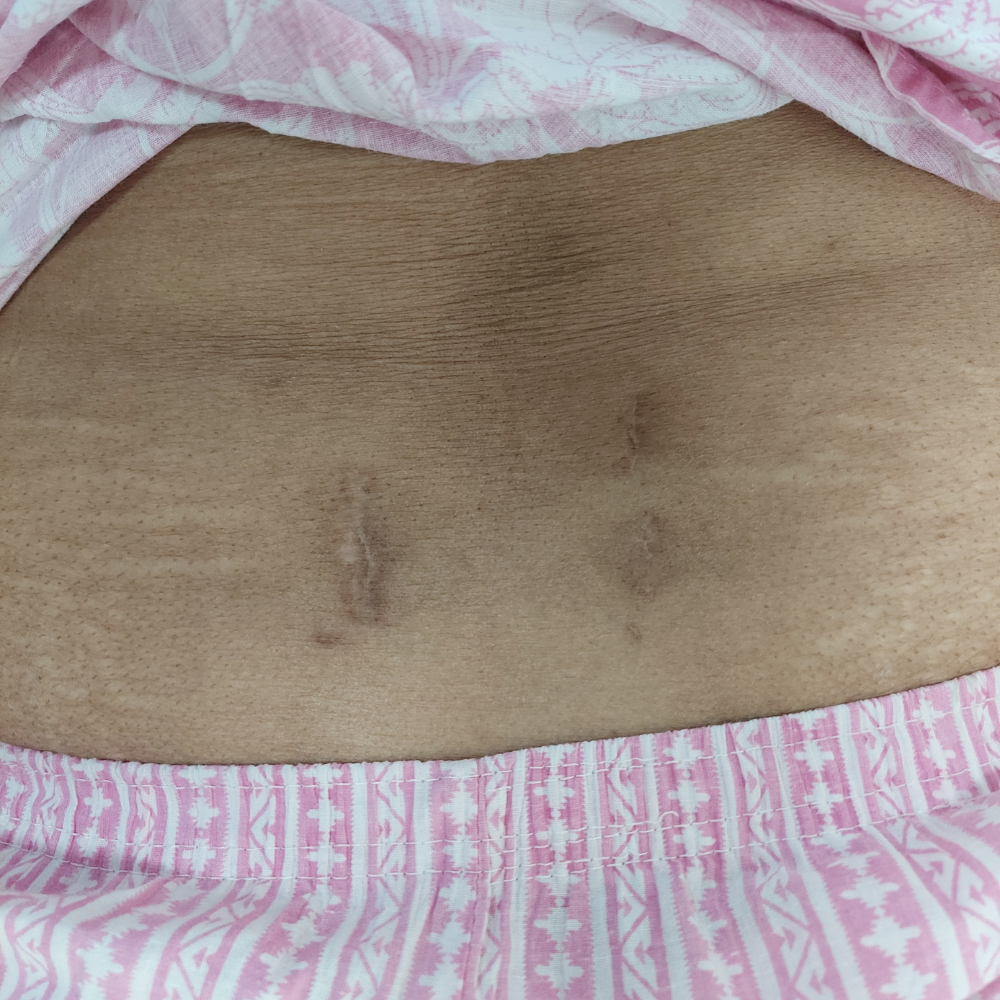
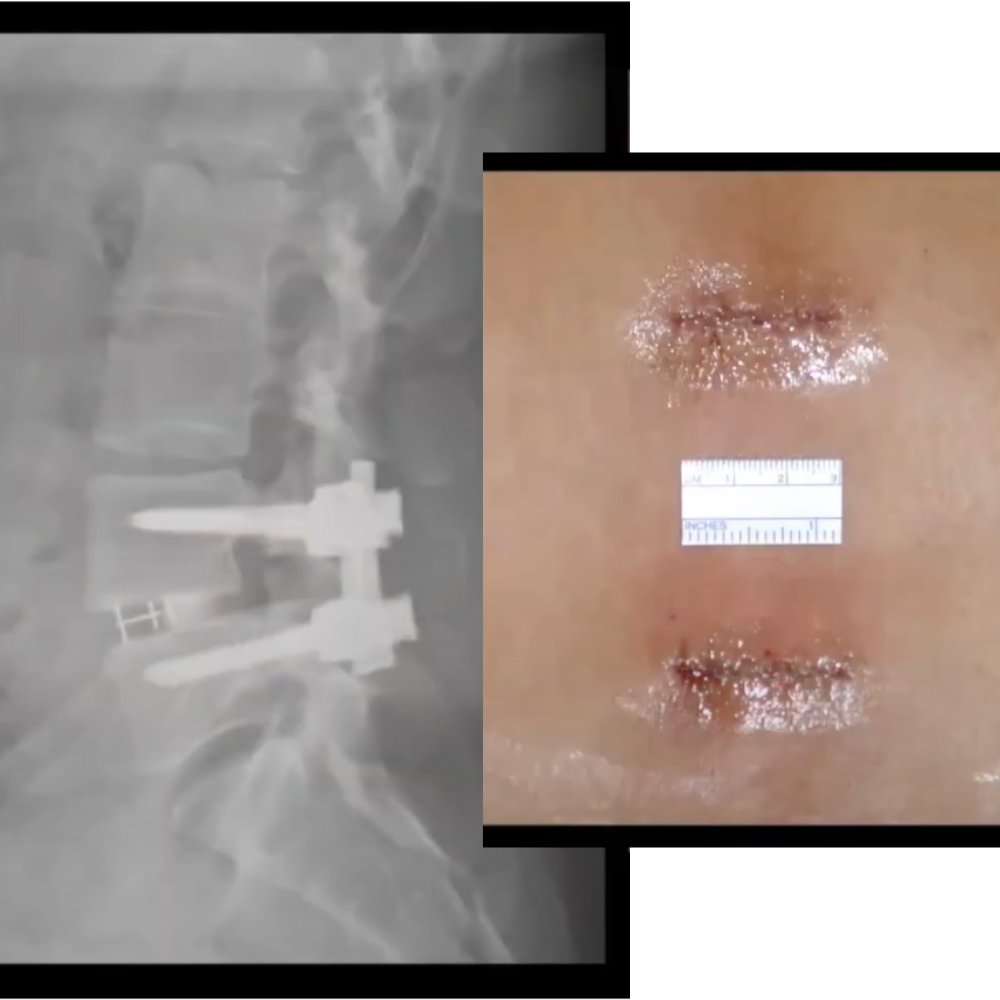
2. Incision and Access: Small incisions are made in the back, and specialized instruments and retractors are used to access the spine while minimizing muscle damage.
3. Disc Removal and Fusion: The damaged disc tissue is removed, and the intervertebral space is prepared for fusion. Bone graft material, often taken from the patient’s own body or a bone bank, is inserted into the disc space to promote fusion.
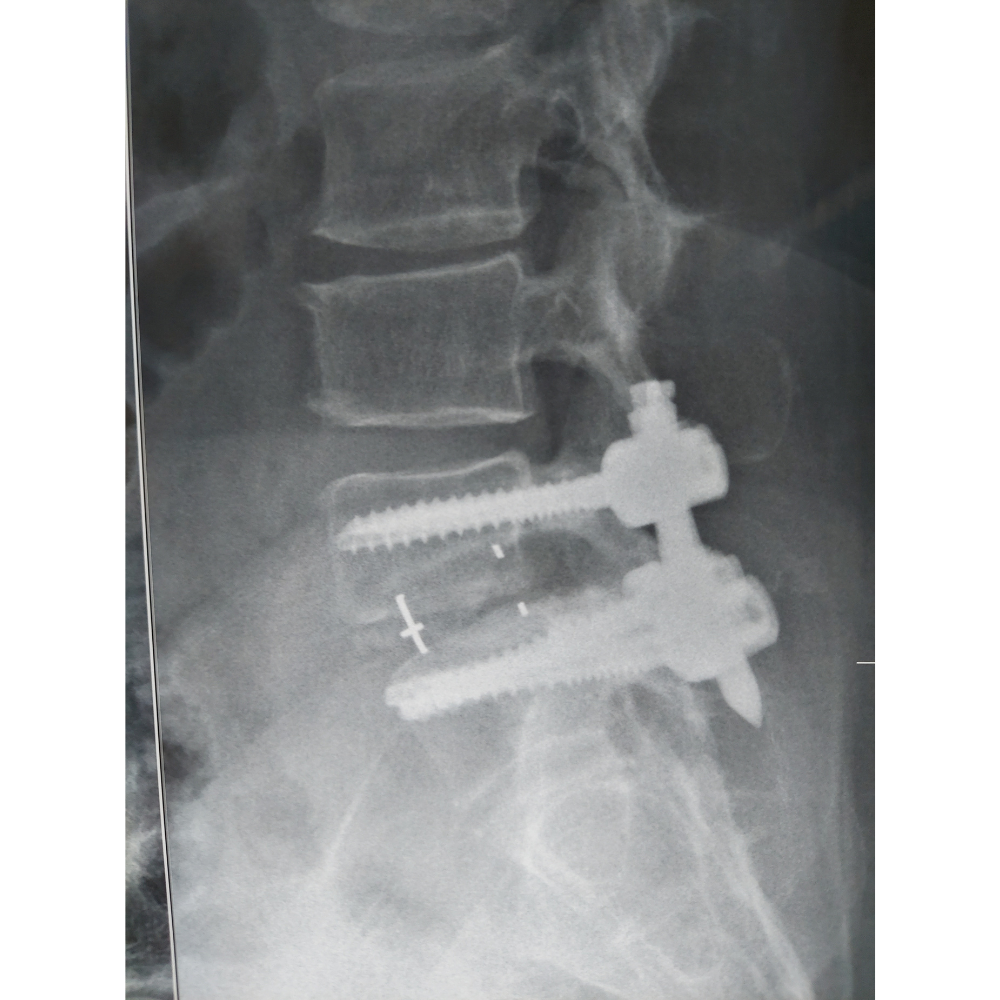
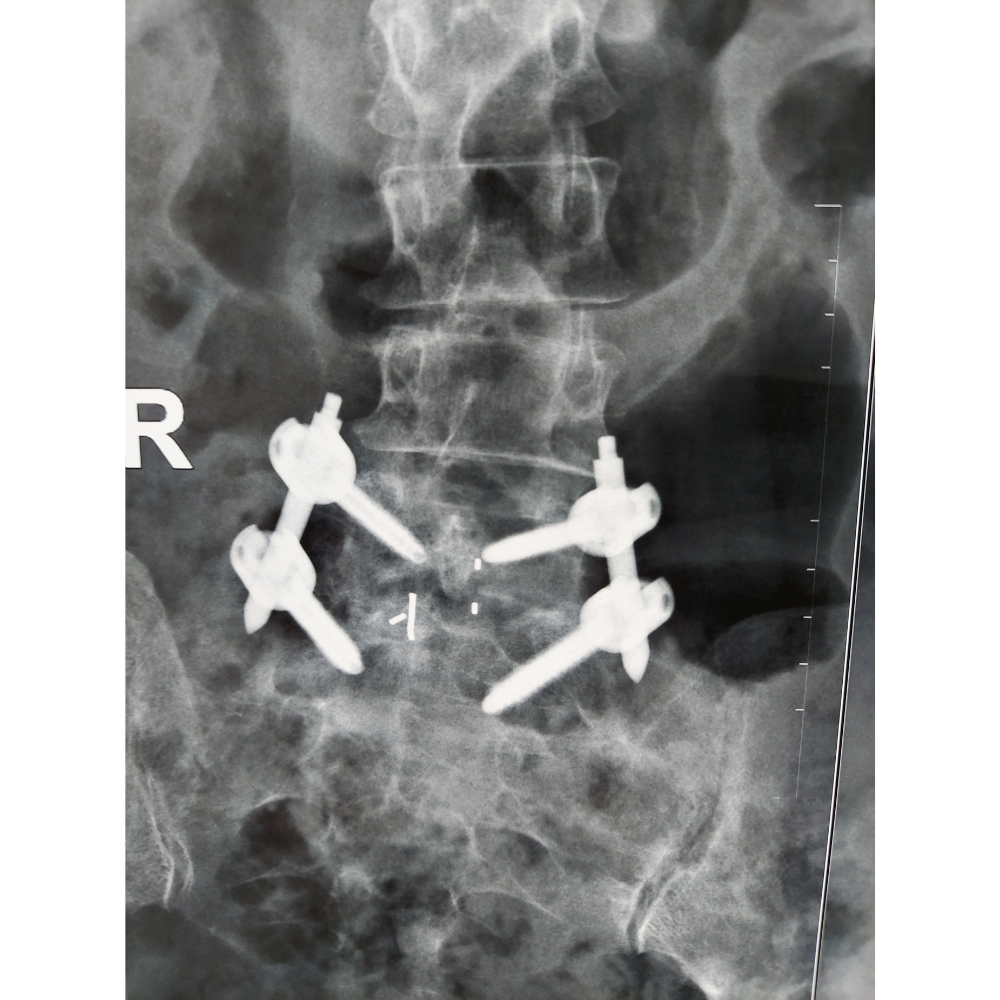
4. Implant Placement: Metal screws and rods may be inserted into the vertebrae to provide additional stability and support. These implants help maintain proper alignment and facilitate fusion of the affected vertebrae.
5. Closure: The incisions are closed with sutures or surgical staples, and a sterile dressing is applied to the surgical site.
Benefits of MIS TLIF:
MIS TLIF offers several advantages over traditional open spinal fusion surgery, including:
– Smaller incisions and reduced tissue damage
– Less postoperative pain and blood loss
– Faster recovery times and shorter hospital stays
– Preservation of spinal stability and alignment
– Improved cosmetic outcomes with minimal scarring
Conclusion:
Minimally Invasive Transforaminal Lumbar Interbody Fusion (MIS TLIF) is a highly effective surgical technique for treating various lumbar spine conditions while minimizing surgical trauma and promoting faster recovery. If you are experiencing symptoms of a spinal disorder, consult with a spine specialist to determine if MIS TLIF may be an appropriate treatment option for you. With proper evaluation and surgical care, many individuals can achieve significant relief from pain and improvement in spinal function, leading to a better quality of life.
This webpage serves as a comprehensive resource for individuals seeking information about Minimally Invasive Transforaminal Lumbar Interbody Fusion (MIS TLIF), empowering them to make informed decisions about their spine health and treatment options.


