
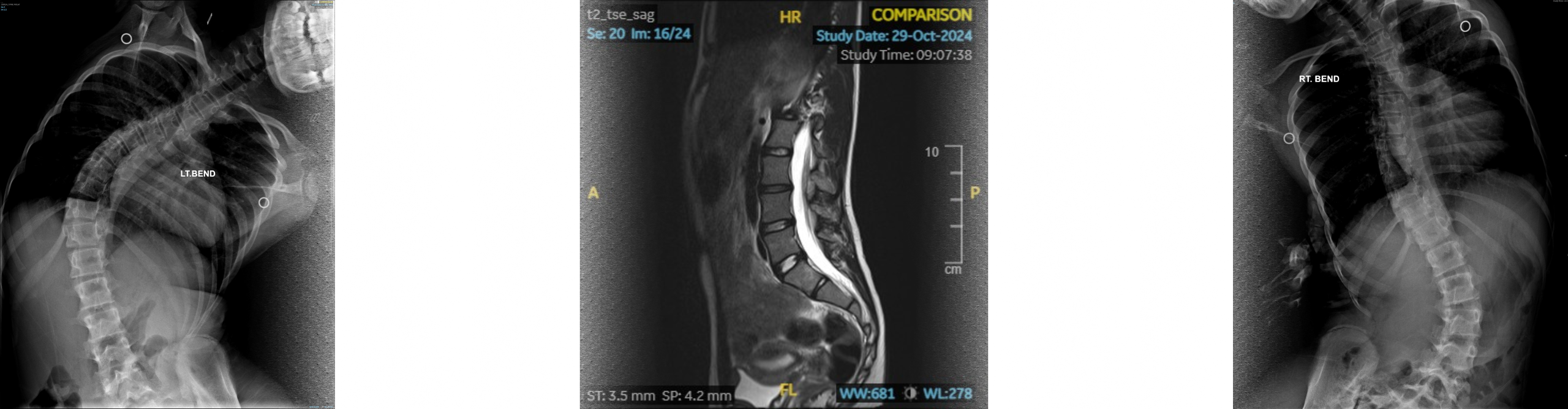
What Is Scoliosis?
Scoliosis is a medical condition characterized by an abnormal sideways curvature of the spine. While a normal spine appears straight when viewed from the back, a spine affected by scoliosis may resemble an “S” or “C” shape. Scoliosis can affect people of all ages, but it most commonly develops during the growth spurt before puberty.
Types of Scoliosis
1. Idiopathic Scoliosis: The most common type, with no known cause, often appearing in adolescents.
2. Congenital Scoliosis: Caused by spinal deformities present at birth.
3. Neuromuscular Scoliosis: Associated with conditions like cerebral palsy or muscular dystrophy.
4. Degenerative Scoliosis: Occurs in adults due to aging and wear-and-tear on the spine.
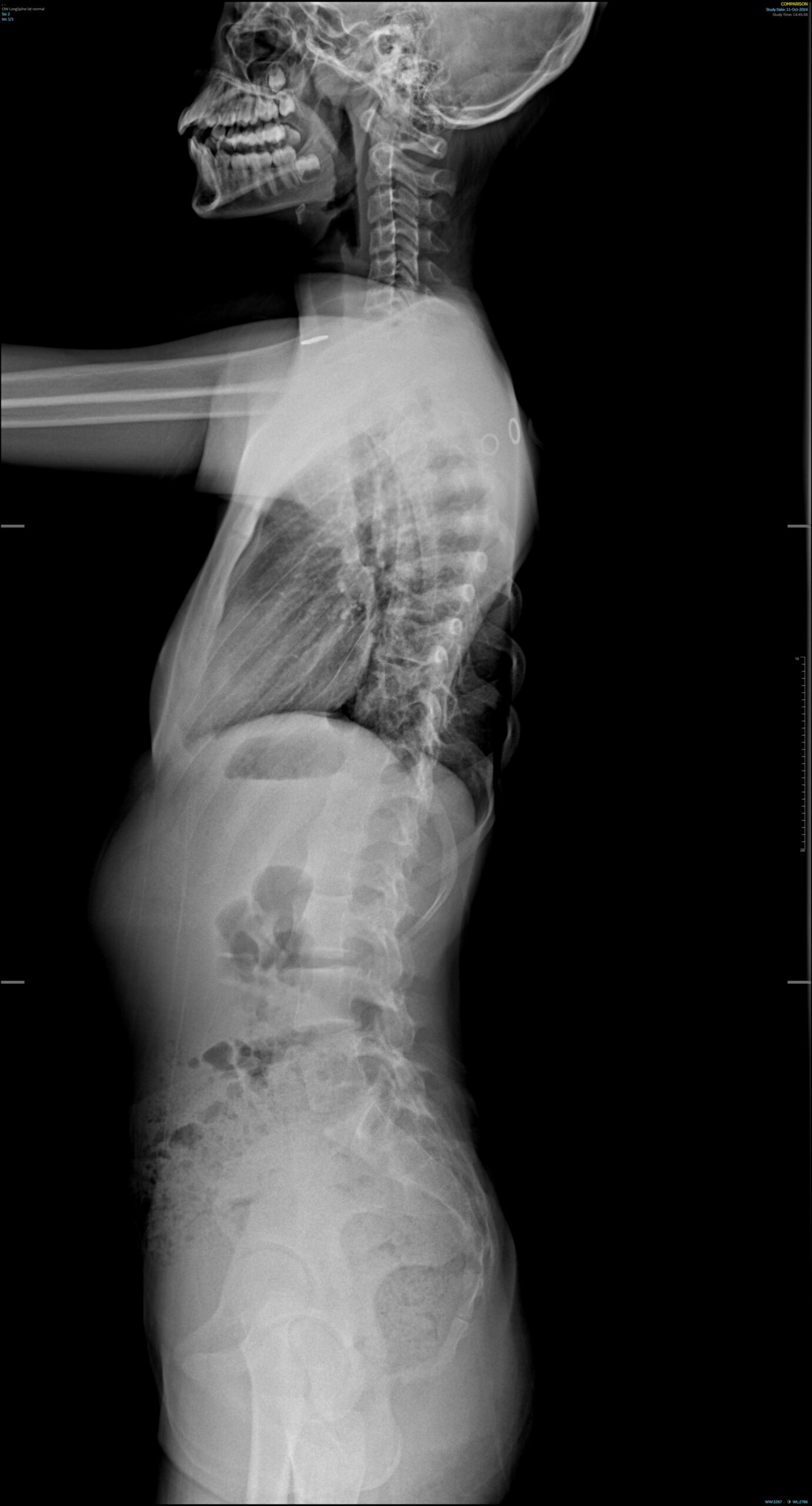
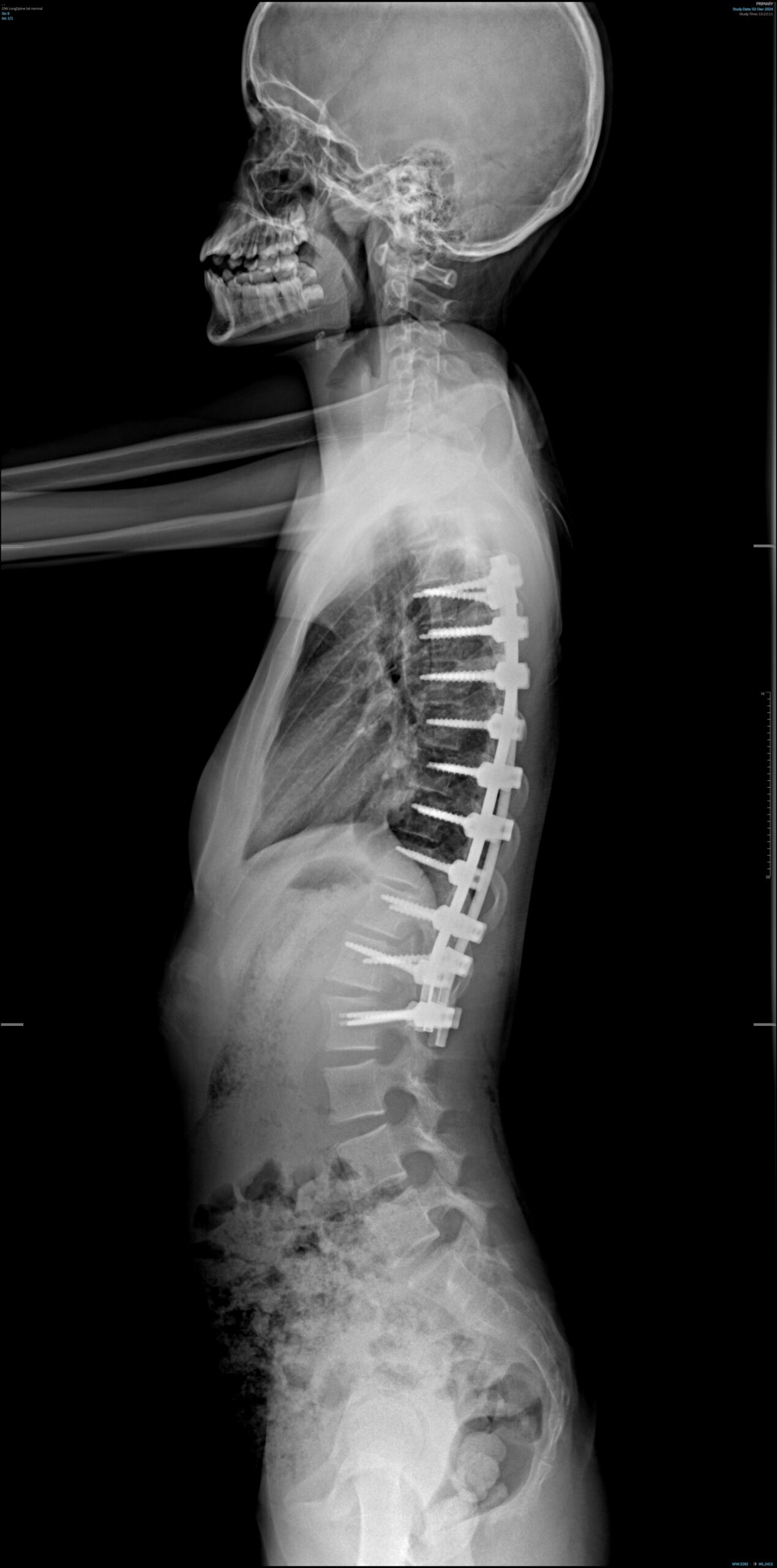
Symptoms of Scoliosis
– Uneven shoulders or waist
– One hip higher than the other
– Rib prominence on one side
– Back pain (more common in adults)
– Difficulty standing straight or maintaining balance
If left untreated, severe scoliosis may lead to complications such as reduced lung function or chronic pain.
Diagnosing Scoliosis
Scoliosis is typically diagnosed through:
– Physical Examination: Your doctor will assess spinal alignment and look for asymmetry.
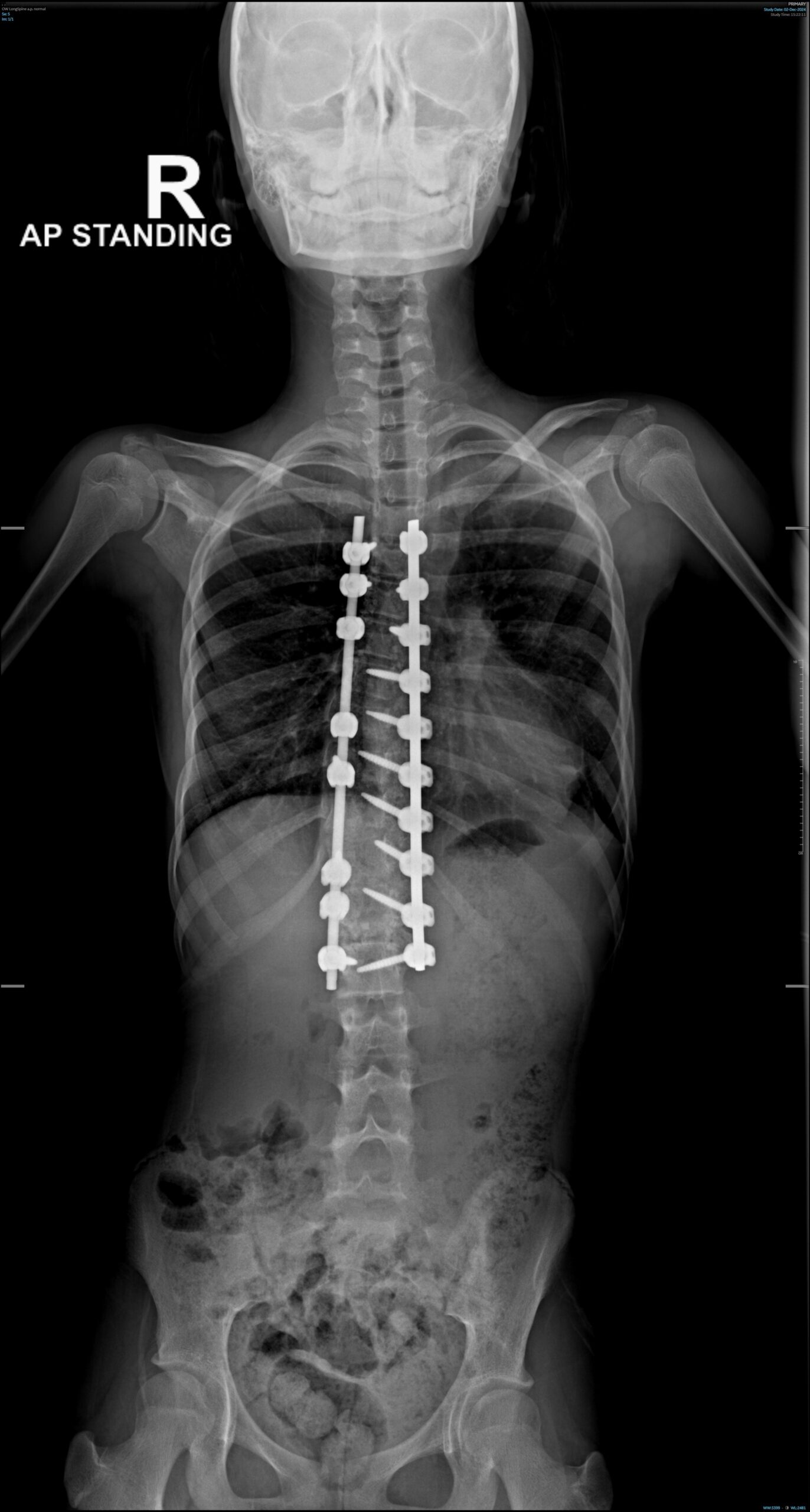
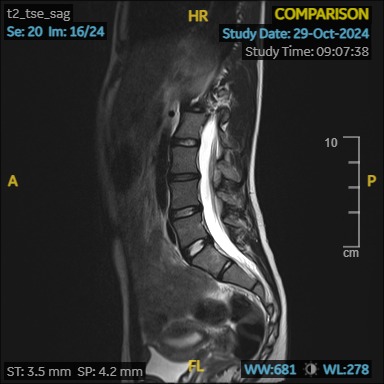
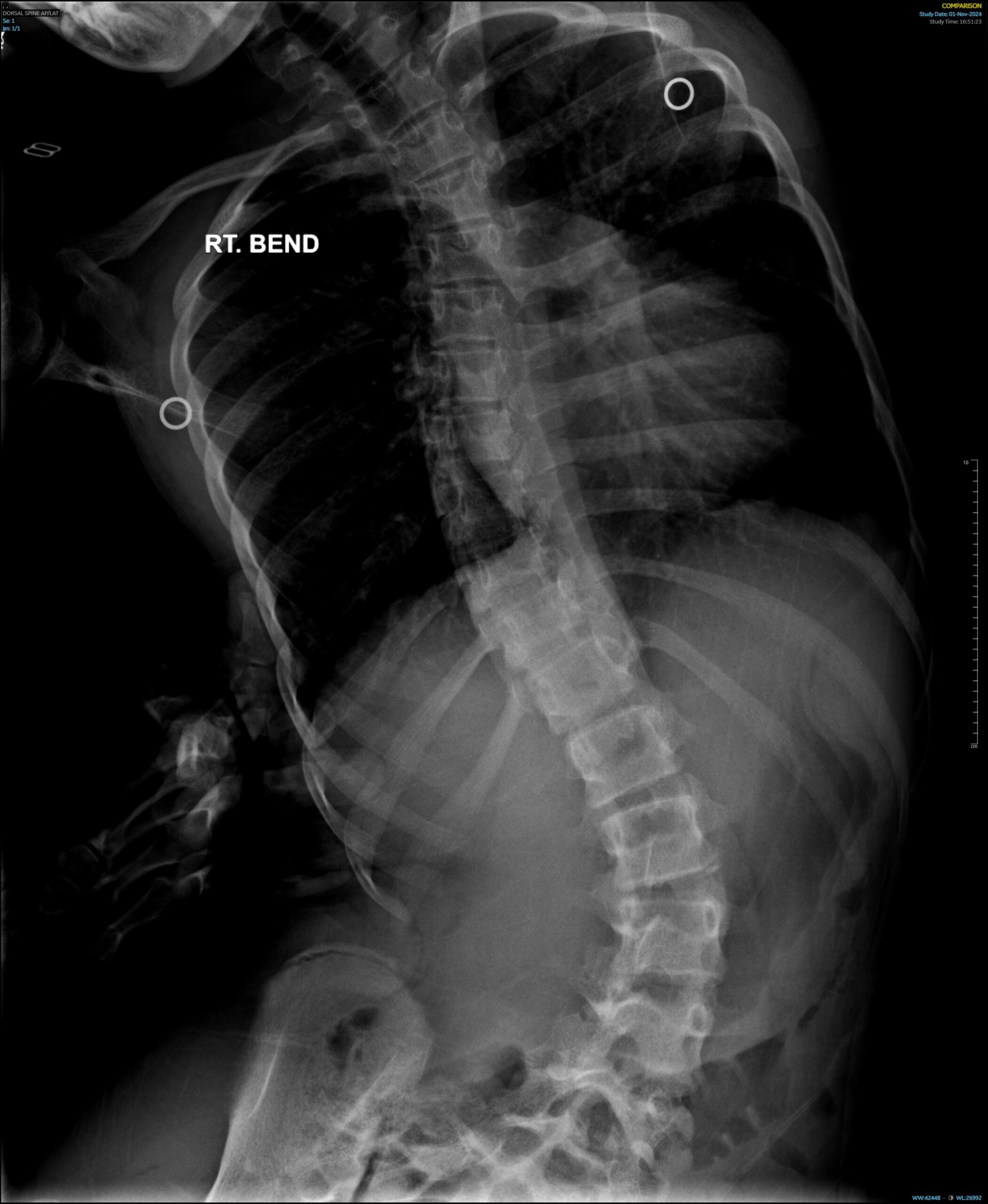
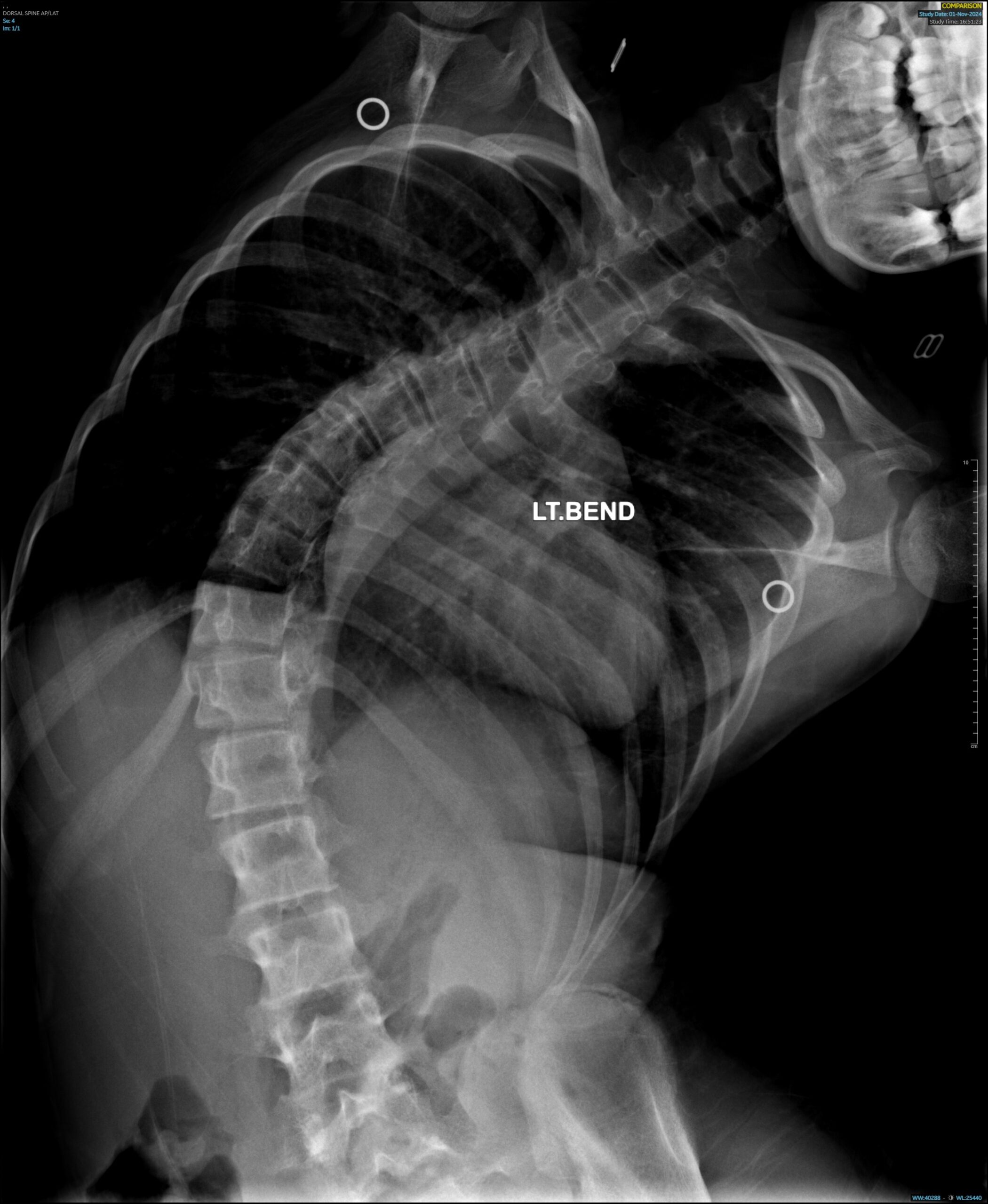
– Imaging Tests: X-rays, MRI, or CT scans may be used to determine the degree and location of the curve.
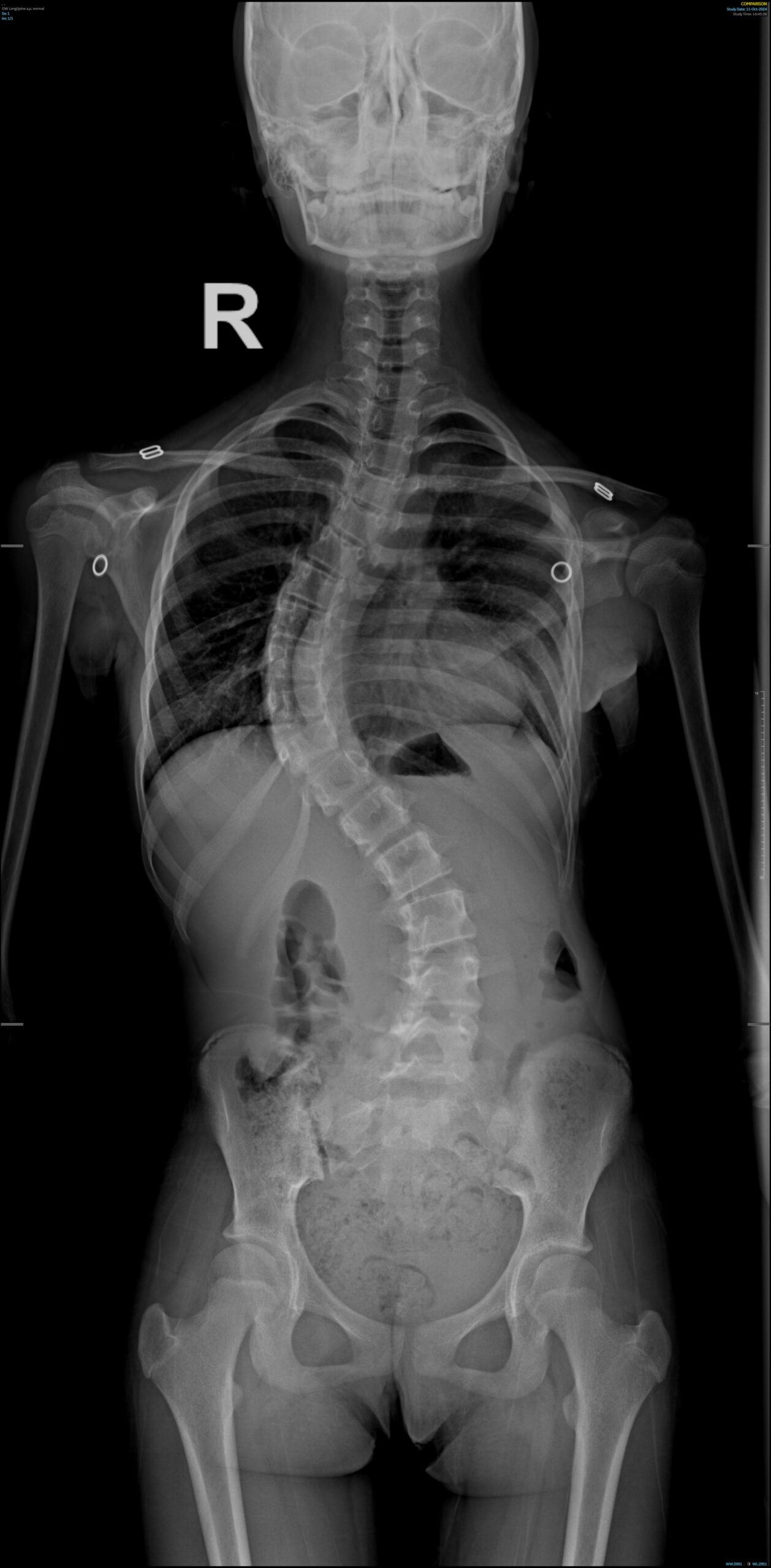
Treatment Options for Scoliosis
Treatment depends on the severity of the curvature and the patient’s age:
- Observation: For mild cases, regular monitoring is often sufficient.
- Bracing: A brace can help prevent further curvature in children and adolescents with moderate scoliosis.
- Physical Therapy: Exercises to improve posture, core strength, and flexibility.
- Surgical Intervention: For severe cases, spinal fusion or other advanced techniques may be required to correct the curve and stabilize the spine.
Benefits of Early Detection
Early detection is crucial for effective management of scoliosis. Identifying the condition in its early stages allows for non-invasive treatments like bracing or physical therapy, reducing the likelihood of requiring surgery.
Why Choose Us for Scoliosis Care?
We provide comprehensive scoliosis care tailored to your needs:
– Experienced Specialists: Our team includes fellowship trained spine surgeons.
– Advanced Technology: We use cutting-edge diagnostic tools and minimally invasive techniques.
– Patient-Centered Care: Each treatment plan is personalized to ensure the best outcomes for you or your child.
– Holistic Approach: Collaboration with physical therapists, pain management specialists, and other experts.
Frequently Asked Questions
Can scoliosis be cured?
While scoliosis cannot always be “cured,” treatments can significantly improve posture, reduce symptoms, and prevent progression.
Does scoliosis always cause pain?
Not necessarily. Many individuals with scoliosis have no pain, especially in mild cases. However, pain is more common in adults with degenerative scoliosis.
How can I prevent scoliosis from worsening?
Regular check-ups, adherence to treatment plans, and maintaining a healthy lifestyle can help manage the condition effectively.
Take the First Step Towards a Straighter Spine
If you or your child has been diagnosed with scoliosis, early intervention is key. Contact us today to schedule a consultation and learn about the best treatment options for your needs.


